
Aureobasidium lini
Aureobasidium lini
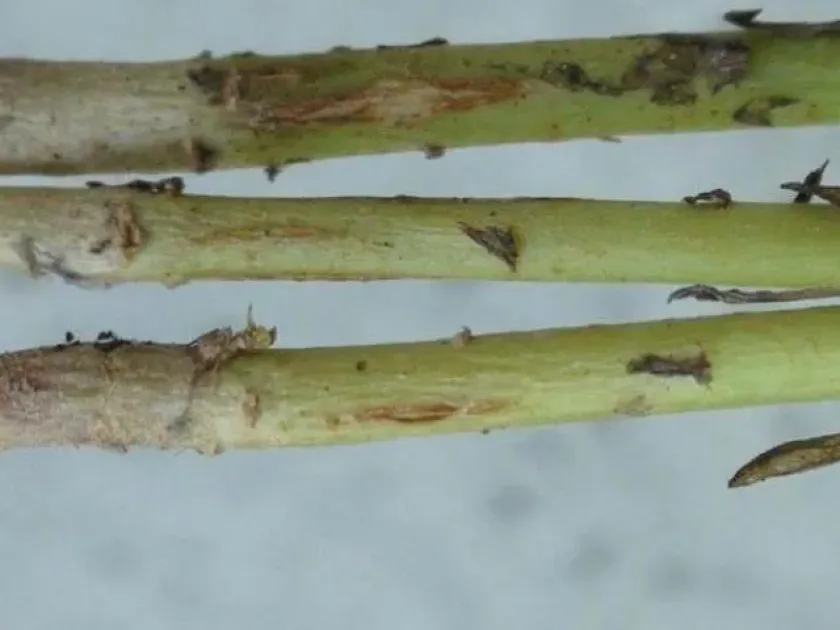
Description
How to identify
Aureobasidium lini is a fungal pathogen that belongs to the kingdom Fungi. It is primarily recognized as a specialized agent responsible for various disease manifestations in flax crops, impacting both fiber and oilseed varieties.
The organism can exist in either yeast-like or mycelial forms. It produces dark-colored conidia which serve as the primary means of dispersal within a field, particularly under humid and favorable climatic conditions.
Taxonomically, this fungus is placed within the order Dothideales. It is known for its ecological flexibility, allowing it to survive as a saprophyte on plant debris or as a parasite on growing flax plants, depending on environmental factors.
Microscopic identification is crucial, focusing on the observation of septate mycelium and dark-pigmented spores. These diagnostic features help agronomists confirm the presence of the pathogen in field samples or seed lots.
The life cycle of the pathogen is highly dependent on humidity levels. Once established, the fungus can rapidly colonize tissues, leveraging its ability to produce enzymes that break down plant cell walls.
What it damages
The primary hosts of Aureobasidium lini are flax (Linum usitatissimum). The fungus affects all above-ground parts, including stems, leaves, and bolls, leading to significant yield and quality reductions.
The major economic impact is the degradation of flax fiber quality. The infection compromises the structural integrity of the stem, making the fibers brittle and less suitable for textile production, thus reducing their market value.
Seed-borne infection leads to shriveled seeds with poor germination rates. This constitutes a severe threat to seed health, as the pathogen is easily transferred through contaminated planting material from one season to the next.
Heavy infections cause premature senescence and tissue death, which disrupts the normal maturation process. This leads to uneven ripening and a significant decrease in both seed yield and total biomass production.
When environmental conditions favor the fungus, widespread infection can lead to crop failure, especially in dense stands where humidity is trapped within the canopy, facilitating the spread of conidia.
Signs of infestation
Initial infection symptoms include the appearance of dark, diffuse spots on the leaves and stems. These lesions gradually expand and can coalesce, covering large areas of the plant's surface as the disease progresses.
Under high moisture conditions, a characteristic olive to dark brown or black fungal growth becomes visible on the surface of the lesions. This growth consists of a dense mass of spores and mycelium.
When the pathogen infects the flax bolls, it penetrates the internal tissues, causing the seeds to darken and become discolored. These infected seeds often display a visible fungal coating during laboratory testing.
Stems infected by this pathogen lose their flexibility and become prone to breakage. This brittleness is particularly problematic during harvesting, as it complicates mechanical pulling and processing of the flax straw.
- Development of dark spots on stems and leaves.
- Visible fungal growth (dark coating) in humid conditions.
- Seed darkening and reduced germination.
- Increased stem brittleness and loss of structural strength.
Control measures
The use of disease-free, certified seeds is the most fundamental control measure. Rigorous phytosanitary testing of seed lots is essential to prevent the introduction of Aureobasidium lini into clean fields.
Chemical seed treatments using systemic fungicides are highly recommended. These treatments help eliminate the pathogen from the seed surface and provide initial protection for emerging seedlings against early-season infection.
Crop rotation remains a cornerstone of integrated pest management. A minimum rotation interval of 5 to 6 years is necessary to allow for the natural degradation of the pathogen in the soil and on crop residues.
Effective management of crop residues through deep plowing and timely incorporation into the soil accelerates decomposition, which limits the survival time of the fungus and reduces the primary inoculum for subsequent crops.
During the growing season, if environmental conditions become conducive to disease, timely application of foliar fungicides can suppress spore production and limit the spread of the disease across the field.
Causes diseases · 2
Discussion
No discussions yet — be the first.