
Asteromella brassicae
Asteromella brassicae
Description
How to identify
Asteromella brassicae is a pathogenic fungus belonging to the order Sphaeropsidales. As an anamorph stage, it is known to be associated with Mycosphaerella brassicicola, causing significant leaf spot symptoms in various cruciferous crops.
The fungus is characterized by the production of pycnidia—small, dark-colored fruiting bodies that embed themselves into the host plant tissue. These structures serve as the primary source of conidia dispersal during the growing season.
Taxonomically, it is classified as a deuteromycete (fungi imperfecti). It is highly specialized, meaning its host range is strictly limited to members of the Brassicaceae family, where it survives as a saprophyte on debris or as a parasite on living tissue.
The pathogen thrives in cool, humid environments, where its spores (conidia) are splashed by rain or wind-blown to new infection sites. It is a common problem in regions with high rainfall or heavy dew patterns.
Field identification requires looking for these distinct black pycnidia within necrotic leaf lesions. Microscopic examination confirms the presence of these fungal reproductive structures, distinguishing it from other leaf-spotting fungi.
What it damages
The fungus primarily targets cabbage varieties, broccoli, cauliflower, Brussels sprouts, and other cruciferous vegetables. It can cause significant economic losses in both commercial agriculture and home gardening.
The primary damage involves the loss of leaf surface area due to numerous necrotic lesions. This reduction in photosynthetic capacity directly impacts the plant's ability to form heavy, high-quality heads or marketable produce.
In addition to foliage damage, the pathogen can infect the seed-bearing organs of the plants. This can result in poor seed quality or contaminated seeds, facilitating the spread of the disease to future plantings.
Affected tissues become prone to secondary colonization by bacteria and other soft rot fungi. This makes the storage of harvested crops difficult and can lead to significant post-harvest losses if not properly managed.
Severe early-season infections can stunt seedling growth, leading to uneven stands and potentially requiring crop replacement, which increases production costs for the grower.
Signs of infestation
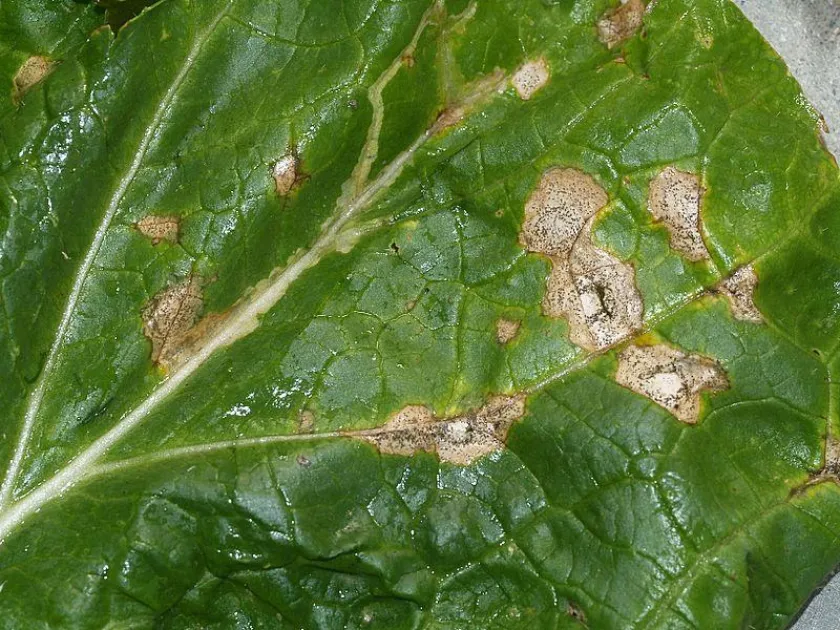
Initial infection manifests as small, circular or angular spots on the foliage. These lesions are typically gray or brown with a darker, well-defined border, indicating the area of dead plant tissue.
The most diagnostic sign is the appearance of tiny, black pycnidia within the center of these spots. These look like pepper dust and are easily observable when the lesion is mature and the fungal development is advanced.
During periods of high moisture, the pycnidia release spores in a slimy mass. This substance may appear as a slight exudate on the surface of the lesions, facilitating further infection under wet conditions.
As the disease progresses, the necrotic spots may coalesce, causing the leaf tissue to yellow and die prematurely. Eventually, the damaged areas may crack or fall out, leaving small holes in the leaves.
The symptoms often appear first on the lower, older leaves of the plant, as these provide the most stable microclimate for the fungus, and then spread upward as the canopy closes.
Control measures
A rigorous crop rotation schedule is essential. Avoiding the planting of Brassicaceae crops on the same field for at least three to four years helps to reduce the inoculum load in the soil significantly.
Sanitation is a critical management strategy. After harvest, all crop residues should be destroyed, plowed under, or removed, as the fungus survives the winter primarily in these dead plant parts.
Weed control is vital because many wild cruciferous weeds, such as shepherd’s purse or field pennycress, act as alternate hosts for the pathogen throughout the year.
Fungicide application may be necessary in seasons with high humidity or when disease pressure is high. Using a mix of contact and systemic fungicides helps manage the infection and prevents the development of resistance.
- Selecting disease-resistant cultivars when available.
- Treating seeds before planting to eliminate potential seed-borne inoculum.
- Ensuring proper plant spacing to increase airflow and reduce leaf wetness duration.
Causes diseases · 1
Discussion
No discussions yet — be the first.