
Aster mosaic
Asteroid mosaic
Description
How to identify
Aster mosaic is primarily caused by the Cucumber mosaic virus (CMV), a highly prevalent plant pathogen. It belongs to the genus Cucumovirus and is characterized by its wide host range across many botanical families.
The virus particles are small, spherical, and contain a single-stranded RNA genome. While it does not persist in the soil for extended periods, it relies on living host plants to survive between growing seasons.
Transmission occurs mainly through biological vectors, with aphids being the most significant carriers. These insects acquire the virus during feeding and transmit it to healthy plants in a non-persistent manner.
Besides aphids, the virus can also spread mechanically through human activities, such as pruning or handling infected plants, where contaminated sap contacts open wounds on healthy specimens.
Detection often requires serological testing or molecular diagnostics, such as RT-PCR, as visual identification can be confused with nutritional deficiencies or herbicide damage.
What it damages
The damage caused by Aster mosaic is largely aesthetic and physiological. In commercial cut flower production, infected plants are considered worthless due to severe deformation and loss of quality.
Growth is significantly stunted, with plants exhibiting shortened internodes and a bushy, distorted appearance. This loss of vigor prevents the plant from developing a strong root system or healthy foliage.
Reproductive success is severely compromised. Flowers are often malformed, smaller than average, and exhibit color-breaking symptoms, which ruins the marketability of the blossoms.
Seed production from infected plants is either drastically reduced or yields seeds that may carry the virus, perpetuating the disease cycle into subsequent planting seasons.
Infected asters suffer from weakened metabolic functions, making them significantly more susceptible to environmental stressors and secondary colonization by fungal pathogens or soil-borne diseases.
Signs of infestation
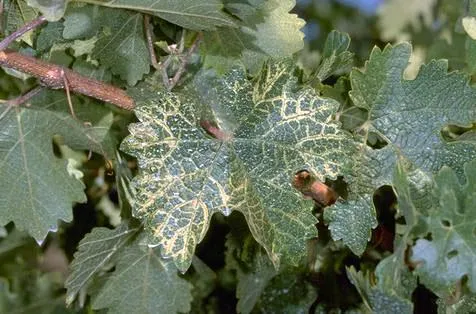
The most diagnostic symptom is the mosaic-like pattern on the leaves, which appears as a light and dark green mottling. This coloration pattern is the namesake of the disease.
Leaf distortion is common, manifesting as curling, crinkling, or even the development of thread-like leaves (filiformity). The foliage often appears leathery or unevenly thickened.
Flower symptoms include color breaking, where petals show irregular streaks, spots, or pale patches that deviate from the normal, solid coloration of the cultivar.
Stunting is a key indicator of systemic infection. The plant fails to reach its genetic height potential and may produce an excessive number of lateral shoots, leading to a crowded growth habit.
Advanced infection stages may show necrosis of leaf tissue, leading to premature yellowing and dropping of leaves, eventually resulting in the decline of the entire plant.
Control measures
Since there are no chemical cures for viral infections in plants, management focuses on prevention. Integrated Pest Management (IPM) is essential to minimize aphid populations.
Early detection and rogueing are vital. Infected plants must be carefully removed and destroyed away from the garden to prevent the spread to adjacent healthy asters.
Weed management is critical, as many common weeds serve as reservoirs for the virus. Keeping the area surrounding the flower beds free of weeds reduces the local inoculum source.
Sanitation is paramount. Tools, including pruning shears and knives, should be sanitized with a suitable disinfectant between uses to prevent the accidental mechanical transmission of the virus.
Choosing certified disease-free planting material and using physical barriers, such as row covers during the seedling stage, can significantly reduce the risk of initial viral infection.
Causes diseases · 1
Discussion
No discussions yet — be the first.