
Aspergillus restrictus
Aspergillus restrictus
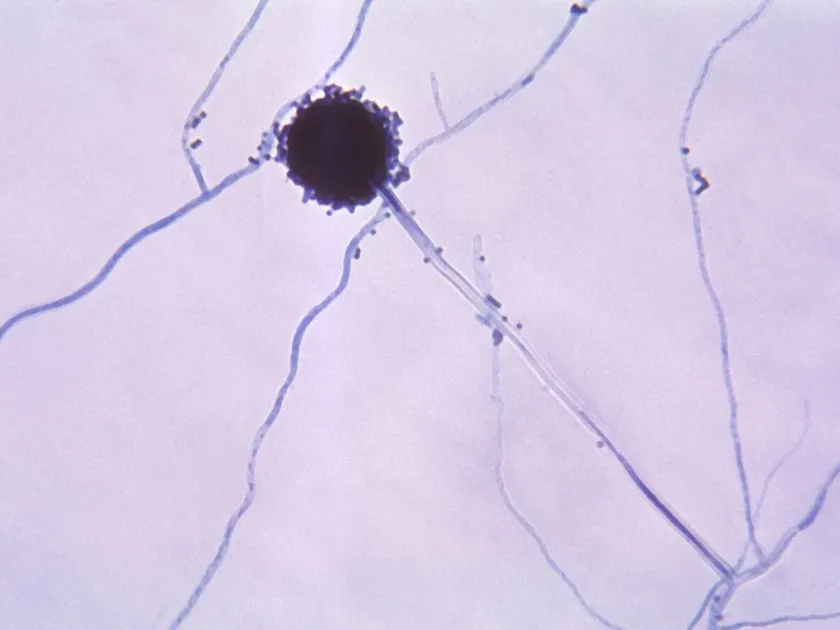
Description
How to identify
Aspergillus restrictus is a xerophilic mold fungus belonging to the genus Aspergillus. It is a critical post-harvest pathogen known for its ability to thrive in extremely low-water activity environments, where most other fungi cannot survive.
Taxonomically, this species is classified within the Aspergillus glaucus group. It is characterized by slow-growing colonies and specific conidiophores that produce spores easily disseminated by air currents. Its morphology is adapted to survive desiccation for long periods.
This fungus is essentially a storage-dwelling organism. Its biological cycle is triggered by the presence of stored seeds with a moisture content just above critical levels, allowing it to penetrate the seed coat and infect the embryo.
Unlike field-borne pathogens, this fungus relies on the storage ecosystem. Its ability to extract moisture from the immediate environment of the grain makes it a persistent threat in silos and warehouses worldwide.
The reproduction cycle involves the mass production of asexual spores (conidia) that remain dormant under dry conditions but germinate rapidly as soon as relative humidity or grain moisture rises.
What it damages
The primary damage caused by Aspergillus restrictus is the degradation of grain, oilseeds, and processed flour during storage. It actively invades the germ of the seed, which drastically reduces germination rates and overall seed viability.
Metabolic activity of the fungus leads to the hydrolysis of fats and proteins within the grain. This enzymatic destruction results in significant loss of nutritional quality and causes the development of unpleasant musty odors in the stored bulk.
A major concern is the potential for mycotoxin contamination. These toxic compounds are harmful to both livestock and humans, rendering the contaminated grain unfit for consumption or market distribution.
The infection process leads to heating within the grain mass. As the fungus grows, it generates metabolic heat, which causes the grain to clump together, further promoting the spread of the pathogen and other secondary fungi.
Economic losses are compounded by the reduction in the commercial grade of the grain. High levels of contamination often necessitate the destruction of entire shipments, causing substantial financial impact on the agricultural sector.
Signs of infestation
The most common sign of infestation is a distinct, persistent musty smell. This odor often precedes visible signs of mold and acts as an early warning for warehouse managers to inspect the grain mass.
Visually, the fungus appears as a fine, olive-green or brown powdery coating on the grain surface. However, due to its ability to grow inside the seed coat, external signs may be misleadingly minimal during the early stages of infection.
Temperature monitoring often reveals "hot spots" within the silo. These localized increases in temperature are a direct result of the fungal respiratory activity, which signals a serious infestation requiring immediate intervention.
In laboratory settings, identification is performed by plating the infected material onto hypertonic culture media. The microscopic examination of the conidiophores confirms the presence of this specific species.
Structural damage can also be observed through the darkening of the seed embryo. Severely affected seeds become fragile and may exhibit internal discoloration when cross-sectioned under magnification.
Control measures
Preventing Aspergillus restrictus primarily involves maintaining strict moisture control. Ensuring the moisture content of grain remains below 13% is the most effective way to inhibit the growth of this xerophilic fungus.
Active aeration and cooling of the grain mass are critical during storage. By keeping the grain temperature low, the metabolic rate of the fungus is suppressed, preventing the onset of self-heating and further colonization.
- Thoroughly clean grain to remove dust and damaged kernels before storage.
- Monitor internal grain temperatures and humidity levels regularly.
- Apply professional fumigation when heavy contamination is detected.
- Use sealed storage facilities and disinfect them between batches to prevent carryover.
Proper drying of the crop immediately after harvest is essential to reduce the water activity levels that the fungus requires. A dry, clean storage environment is the best defense against this persistent and dangerous storage pathogen.
Discussion
No discussions yet — be the first.