
Aspergillus parasiticus
Aspergillus parasiticus
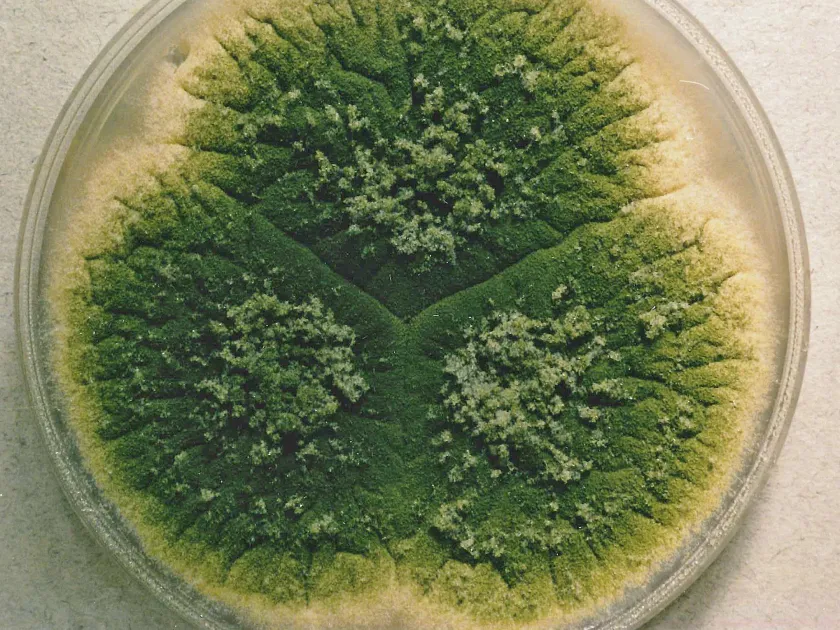
Description
How to identify
Aspergillus parasiticus is a fungal species belonging to the genus Aspergillus, widely recognized for its impact on agriculture. It is a soil-borne mold capable of colonizing various organic substrates.
The fungus is characterized by its distinct green to yellow-green conidial heads, which are visible under microscopic examination. It plays a significant role in the natural decomposition of organic matter in the soil.
As a facultative parasite, it can persist in the environment and infect living plants when conditions, such as drought stress or mechanical injury, favor its development.
One of the most concerning features of this species is its metabolic pathway, which leads to the production of potent aflatoxins, posing severe risks to food safety.
It displays high resilience to environmental stressors, allowing it to survive for extended periods as spores until favorable conditions for germination return.
What it damages
Commonly affected crops include peanuts, maize, cotton, and various nuts. The pathogen causes direct damage to kernels and seeds, significantly reducing their quality and market value.
In the field, infection can lead to pre-harvest rot, especially in legumes like peanuts, where the fungus penetrates the shells and colonizes the seeds directly.
During storage, the impact is magnified; A. parasiticus can quickly proliferate in grain bulk, leading to self-heating and the destruction of large quantities of stored material.
Beyond physical damage, the accumulation of aflatoxins makes the infected crop toxic to livestock and humans, often resulting in entire batches being condemned by regulatory agencies.
The economic impact includes high costs related to crop monitoring, testing for toxin levels, and potential loss of entire harvests due to contamination.
When it appears
The development of A. parasiticus is highly favored by hot and dry weather conditions. Environmental stress on plants during the growing season significantly increases their susceptibility to infection.
The primary infection windows are during the mid-to-late growth stages, often facilitated by pest damage that creates entry points for fungal spores into the plant tissue.
Harvesting periods, particularly if accompanied by high humidity or rainfall, are critical moments when the pathogen can quickly colonize the surface of the harvested crop.
In storage facilities, the pathogen remains dormant until moisture levels rise above critical thresholds, typically triggered by poor ventilation or temperature fluctuations.
The cycle is effectively controlled by managing the environment within storage, specifically maintaining low humidity levels to inhibit the metabolic activity of the fungus.
Signs of infestation
Visual identification of A. parasiticus involves observing a characteristic yellow-green or olive-green velvety layer of mycelium and spores on the surface of the seeds or kernels.
Affected plant tissues often exhibit discoloration and softening. In grains like corn, the presence of the fungus may manifest as greyish or brownish spots on the pericarp.
A musty or earthy odor is a classic sign of mold development and suggests that metabolic activity is ongoing within the infected bulk.
- Greenish-yellow sporulation on seeds
- Darkening and shriveling of kernels
- Musty or sour odor in grain batches
- Clumping of seeds due to mycelial growth
- Loss of seed viability and germination vigor
Control measures
Effective management begins with good agricultural practices, including crop rotation, proper irrigation to reduce plant stress, and the control of insects that damage plant tissues.
Harvesting at the correct maturity and moisture level is vital. Prompt drying of the produce to below 12-14% moisture content is the most effective defense against storage rot.
Sanitation of storage facilities is crucial; regular cleaning and disinfection prevent the carry-over of spores from one season to the next.
The use of fungicides as seed treatments can provide early protection against soil-borne inoculum, ensuring better seedling establishment in risky environments.
Routine laboratory testing for aflatoxin levels is an essential component of quality control, ensuring that only safe products reach the food and feed supply chain.
Discussion
No discussions yet — be the first.