
Aspergillus oryzae
Aspergillus oryzae
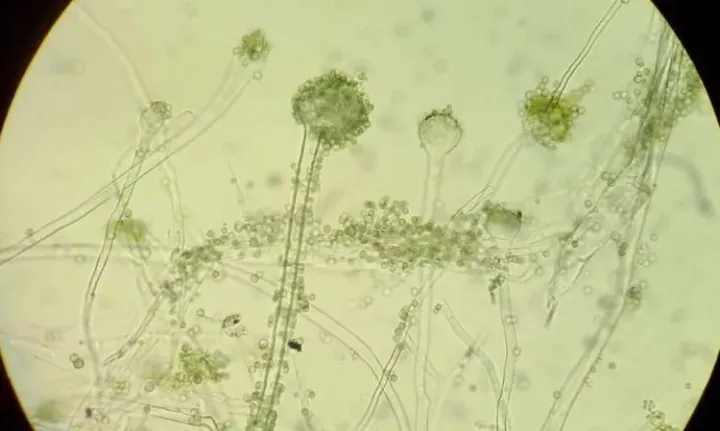
Description
How to identify
Aspergillus oryzae is a microscopic filamentous fungus belonging to the Kingdom Fungi, genus Aspergillus. It is widely recognized for both its industrial utility and its role as a crop pathogen.
As a phytopathogen, it is often classified as a storage fungus capable of causing significant spoilage in agricultural commodities under improper conditions.
The fungus forms colonies that quickly produce conidiophores, which give the mycelium a distinct powdery appearance ranging in color from white to yellow-green or olive.
The conidia are extremely hardy and capable of surviving in soil, organic debris, and on the surfaces of storage facilities for extended periods.
It thrives as a saprotroph but readily colonizes weakened or moisture-stressed plant tissues, acting as an opportunistic pathogen in storage environments.
What it damages
The primary economic damage caused by Aspergillus oryzae occurs during the post-harvest storage stage of cereals, legumes, and oilseeds.
It attacks seeds and grains by secreting enzymes that break down proteins and carbohydrates, leading to a significant loss of nutritional value.
The growth of the fungus can trigger self-heating within bulk grain masses, which further promotes the growth of more aggressive spoilage microorganisms.
In addition to physical destruction, the fungus can produce secondary metabolites that render the grain unsafe for human or animal consumption.
The aesthetic value of the harvested crop is degraded, resulting in severe market losses and the rejection of batches due to visible mold growth.
When it appears
The development of the fungus is highly dependent on humidity, specifically when grain moisture content exceeds the critical threshold of 14–15%.
It prefers warm environmental conditions, with the temperature optimum for mycelial growth typically ranging between +25°C and +35°C.
Increased risks of infection are associated with the harvest period if the grain is not dried sufficiently or if it is stored during high-humidity seasons.
Seasonal fluctuations in temperature and poor aeration in storage facilities can create micro-climates that are perfectly suited for the rapid expansion of Aspergillus colonies.
Under optimal environmental conditions, the life cycle of the fungus can be completed in just a few days, leading to rapid contamination across entire storage units.
Signs of infestation
The most recognizable symptom is the appearance of a dusty, cotton-like mycelial mat on the exterior of the grain or seed surfaces.
As the fungus enters the sporulation phase, the color of the growth shifts to characteristic shades of yellow, light green, or brownish-olive.
A distinct, musty odor emanates from infected grain batches, often detectable long before significant physical degradation of the crop is visible.
Infected seeds lose their characteristic sheen and become dull, eventually darkening as the fungal hyphae penetrate the inner layers of the seed coat.
Clumping of seeds is a common sign of advanced infection, caused by the extensive network of fungal mycelium binding the grains together.
Control measures
The most effective strategy for managing Aspergillus oryzae is to ensure the grain moisture content is kept below 14% through proper drying techniques.
Implementing effective aeration systems in storage bins helps to prevent the buildup of moisture and heat that the fungus requires to thrive.
Sanitation of storage facilities and equipment is crucial to reduce the initial inoculum of spores that might contaminate new crop harvests.
Careful handling during harvest and transport is essential to minimize mechanical damage to seeds, as wounds provide easy entry points for fungal infection.
- Regular monitoring of stored batches for temperature spikes.
- Removal of dust and broken grain fractions during cleaning.
- Application of antifungal treatments on facility surfaces where necessary.
Discussion
No discussions yet — be the first.