
Aspergillus ochraceus
Aspergillus ochraceus
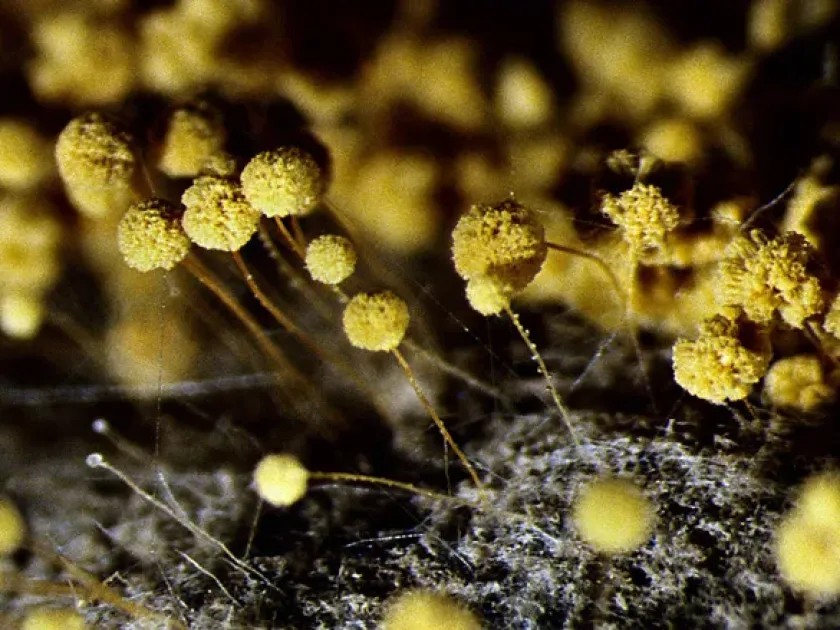
Description
How to identify
Aspergillus ochraceus is a fungal species within the genus Aspergillus. It is a soil-borne fungus that is widely distributed in agricultural environments.
Colonies typically exhibit a yellow to ochre color, which gives the species its name. The texture is usually loose, powdery, and granular due to abundant spore production.
Under a microscope, the species is identified by its long, smooth-walled conidiophores ending in distinctive globose vesicles with radiating phialides.
This fungus is of significant economic importance due to its ability to produce ochratoxin A, a potent mycotoxin that poses risks to humans and animals.
The fungus is highly resilient and thrives in diverse environmental conditions, including varying levels of soil moisture and ambient temperatures.
What it damages
The pathogen primarily affects cereal grains, maize, peanuts, and various legumes, often colonizing them during the storage phase.
In the field, it can infect seeds, leading to reduced germination rates and weakened seedlings that are susceptible to further soil-borne pathogens.
Post-harvest damage includes significant degradation of grain quality, causing economic losses for farmers and processors due to spoilage and contamination.
The accumulation of ochratoxin A in infected crops makes them unsafe for consumption or animal feed, as these toxins can cause systemic health issues.
Secondary infections are common, as the presence of A. ochraceus often facilitates the growth of other destructive molds, leading to rapid grain decay.
When it appears
The threat from this fungus is highest during harvest and storage seasons when grains are handled, dried, and stored in large volumes.
Field infections are more likely to occur during periods of high humidity, heavy rainfall, or when crops are stressed by environmental conditions.
Spores are readily dispersed by wind, farm machinery, and insects, allowing the fungus to move from field residues to harvested produce efficiently.
The optimal temperature for mycelial growth is between +24 °C and +30 °C, making the late summer and early autumn periods critical for contamination.
If grain moisture levels rise above 14-15% during storage, the fungus can proliferate rapidly, leading to major outbreaks within a few weeks.
Signs of infestation
The most visible sign is the development of a distinct yellowish or ochre-colored dust or mat on the surface of grains, husks, or other plant tissues.
A musty or earthy smell is often the first indicator of Aspergillus contamination before visible signs of mold growth become widespread.
- Surface discoloration of kernels turning to a brownish hue.
- Clumping of grains due to mycelial growth between individual kernels.
- Visible powdery spore masses when the grain is disturbed or moved.
- Softening of seed tissues as the fungus breaks down starch and proteins.
- Reduced grain flowability in silos or storage bins.
Prolonged infection leads to the structural decay of the plant material, resulting in a loss of nutritional value and physical integrity.
Control measures
Proper drying of grains to moisture levels below 14% is the most effective way to prevent Aspergillus ochraceus growth during storage.
Regular sanitation of storage facilities, including the cleaning of dust and debris, significantly reduces the number of spores in the environment.
Seed treatment with authorized fungicides can protect crops during the initial germination phase, reducing the likelihood of early soil-borne infection.
Maintaining proper ventilation and temperature control in silos helps prevent condensation, which often triggers mold development.
Implementing a monitoring system to check for moisture content and musty odors allows for the rapid identification and removal of contaminated grain lots.
Discussion
No discussions yet — be the first.