
Aspergillus glaucus
Aspergillus glaucus
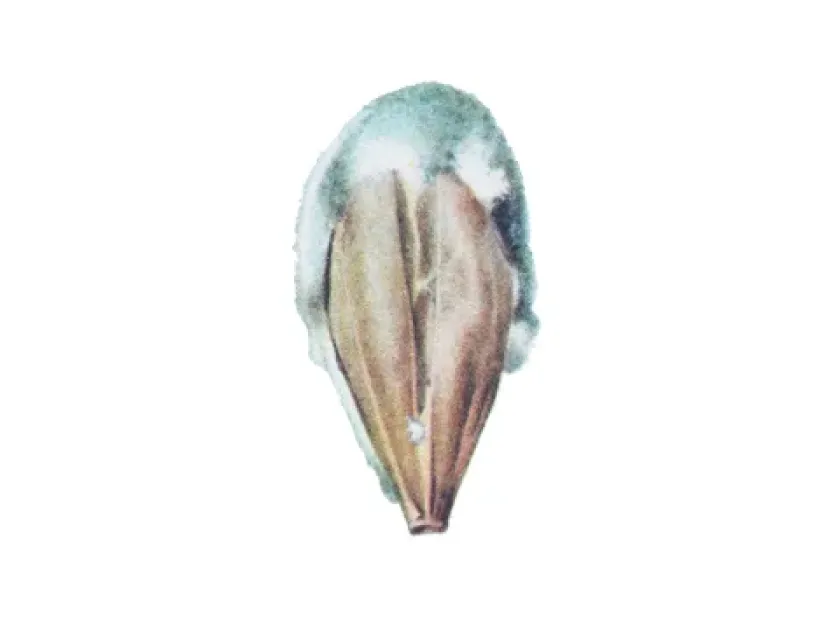
Description
How to identify
Aspergillus glaucus is a microscopic mold fungus belonging to the Kingdom Fungi, Phylum Ascomycota, and the genus Aspergillus. It is a classic example of a xerophilic micromycete, capable of thriving in environments with low water activity.
The colonies of this fungus exhibit a characteristic bluish-green or gray-green coloration, which is a result of abundant conidia production. The mycelium is septate and branched, spreading rapidly across the substrate surface and penetrating deep into tissues.
Reproduction occurs asexually through conidia, which are easily dispersed by air currents over long distances. The pathogen can also form cleistothecia, which ensure its survival under harsh environmental conditions.
While primarily a saprotroph, the fungus can exhibit significant pathogenic activity when host plants are weakened or when storage conditions are substandard. It is highly adapted to environments with high osmotic pressure.
Microscopic examination reveals characteristic radial conidial heads with a bluish tint, providing a diagnostic feature that distinguishes this species from other members of the Aspergillus genus.
What it damages
This pathogen causes severe damage to stored agricultural commodities. Primary targets include cereals such as wheat, corn, barley, and rice stored in high-humidity conditions.
Beyond grains, the fungus aggressively attacks fruits and vegetables, particularly during the maturation phase or when the epidermis is damaged during harvest. Seeds are frequently affected, losing viability due to the destruction of the embryo.
Aspergillus glaucus is a common inhabitant of hay, straw, and forage, causing spoilage and rendering them unsuitable for livestock feeding due to the production of various mycotoxins.
Infection often begins covertly. Initially affecting surface layers, the pathogen penetrates deeper tissues during prolonged storage, leading to decay and the breakdown of organic matter.
Field infections are less common but can occur in weakened crops or those previously damaged by pests, which provide convenient entry points for the fungal spores.
When it appears
The primary period of fungal activity coincides with post-harvest processing and subsequent storage. Optimal conditions for development are created when warehouse aeration is poorly managed.
The fungus is highly active at temperatures between +20 and +30 degrees Celsius, though it can continue slow growth at much lower temperatures, even approaching zero.
Substrate moisture is the critical limiting factor. Unlike many other fungi, Aspergillus glaucus thrives when relative air humidity exceeds 70% and grain moisture content is above 14-15%.
During spring and summer, the pathogen may activate in fields during prolonged rainy periods that cause ear or fruit rot, providing an initial inoculum source before harvest and storage.
The development cycle accelerates when spore concentrations in warehouse air are high, leading to rapid, epidemic-like spread of mold throughout the stored volume.
Signs of infestation
The first sign of infection is the emergence of a characteristic bluish-green powder on the surface of the produce. This powdery coating is the result of prolific spore formation.
Infested grain gradually darkens, loses its natural luster, and develops a specific musty odor, which serves as a vital indicator of fungal presence during warehouse inspections.
Internal seed or fruit tissues soften and often acquire a brownish hue. In cases of severe infestation, "self-heating" of the grain bulk occurs due to the fungus's intensive metabolism.
- Surface dusty bluish-green coating.
- Musty, moldy odor.
- Discoloration of tissues (darkening).
- Reduced flowability of grain masses.
- Loss of seed germination viability.
Microscopic inspection of affected samples reveals a dense network of mycelium that penetrates seed coats and destroys the starchy components of the endosperm.
Control measures
The primary control method is strict adherence to storage protocols. Grain must be dried to moisture levels below critical thresholds (typically 13-14%) before being loaded into silos.
High-quality ventilation of storage facilities is essential. Installing active aeration systems helps maintain temperature and humidity at levels that inhibit xerophilic fungal growth.
Pre-sowing seed treatment with systemic fungicides is an important step, as it suppresses fungal infection during the early stages of seed germination and seedling emergence.
Sanitary cleaning and disinfection of storage facilities before accepting new harvests significantly reduce the background inoculum. Ozone treatment or fumigation of warehouses effectively kills pathogen spores.
Regular monitoring of stored lots, including laboratory testing for mycotoxins, is crucial to prevent large-scale product spoilage and ensure agricultural safety.
Discussion
No discussions yet — be the first.