
Spinach Ascochyta leaf spot
Ascochyta spinaciae
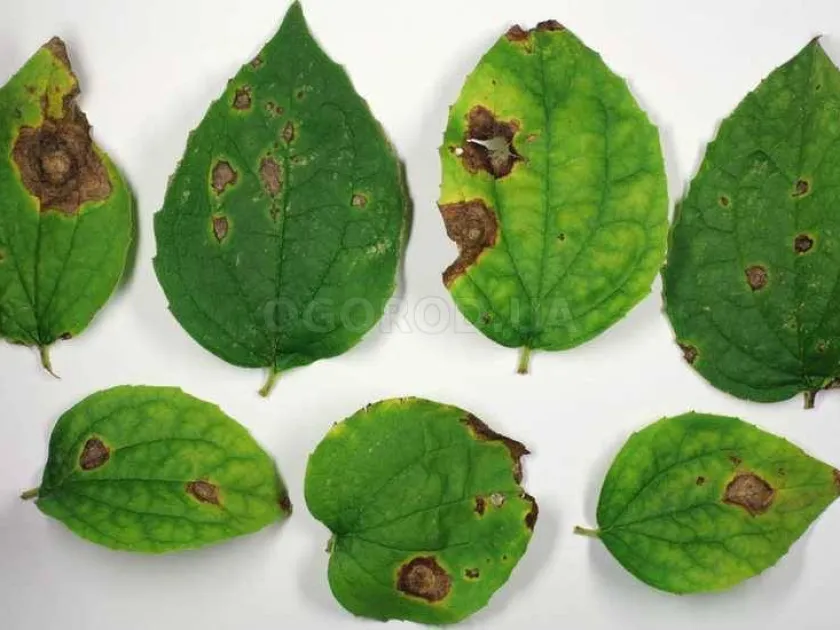
Description
How to identify
Spinach Ascochyta leaf spot is caused by the fungal pathogen Ascochyta spinaciae. This fungus belongs to the order Sphaeropsidales and is a well-known pathogen affecting foliage crops.
The pathogen survives primarily as pycnidia, which are small black fruiting bodies, embedded in crop debris or contaminated soil particles.
Microscopic examination of the lesions often reveals these pycnidia, which produce masses of spores (conidia) under high humidity conditions.
The fungus is a hemibiotroph that invades plant tissue, leading to the development of localized necrosis on leaves and sometimes petioles.
Dissemination occurs via rain splash or overhead irrigation, which carries the fungal spores from soil-borne residues to healthy leaves.
What it damages
The disease primarily targets spinach (Spinacia oleracea), causing significant damage to the leaf tissue, which is the marketable part of the plant.
Marketability is severely reduced as the lesions make the spinach leaves unsightly and prone to rapid decay during storage and transport.
Heavy infections can cause premature leaf loss, leading to significant yield reductions, especially in high-density plantings.
Photosynthetic efficiency drops as the lesions enlarge, which slows down the development of the entire plant rosette.
If left uncontrolled, the disease can render an entire spinach crop unfit for processing or fresh market consumption.
When it appears
The pathogen thrives during periods of cool to moderate temperatures ranging from 15°C to 22°C, coupled with high humidity or frequent rainfall.
Early spring or late autumn are typical times for disease outbreaks, as these seasons often provide the necessary moisture and temperature conditions.
In greenhouse production, the disease can occur at any time if ventilation is poor and humidity levels remain consistently high.
The infection cycle is rapid, with multiple generations of spores capable of infecting new tissue within a single growing season.
Extreme summer heat may temporarily inhibit the spread of the fungus, but it remains viable in the soil waiting for cooler conditions.
Signs of infestation
The initial symptoms are small, circular, or irregular light-colored spots that often develop a darker brown or tan margin.
- Visible dark pycnidia appearing as black dots within the lesion centers.
- Chlorotic halos developing around the affected necrotic areas.
- Leaf curling and deformation when lesions cover large areas of the leaf blade.
- Brittleness of the leaf tissue, leading to tears during harvest.
- General yellowing of the foliage under severe disease pressure.
The spots frequently merge together, causing large patches of dead tissue on the leaf surface.
Under magnification, the presence of these pycnidia is a definitive diagnostic feature that distinguishes this disease from other types of leaf spots.
While the disease is mostly foliage-focused, severe cases may lead to systemic weakness of the plant if the infection reaches the crown.
Control measures
Implementing a strict crop rotation of at least 3 years is the most effective cultural practice to reduce inoculum levels in the soil.
Thorough sanitation, including the removal and destruction of crop residues after harvest, prevents the carry-over of the fungus to the next season.
- Use only certified, disease-free seed to prevent the initial introduction of the pathogen.
- Improve air circulation by maintaining proper row spacing.
- Avoid overhead irrigation where possible to keep leaf surfaces dry.
- Control weeds, as they can occasionally host the fungus.
- Apply preventative fungicides based on local agricultural guidelines.
Greenhouse producers should focus on humidity management to prevent condensation, which is the primary driver of spore germination.
Regular scouting of the fields is essential to detect the disease early, allowing for timely intervention before the infection reaches epidemic proportions.
Causes diseases · 1
Discussion
No discussions yet — be the first.