
Lentil ascochyta blight
Ascochyta lentis
Description
How to identify
Lentil ascochyta blight is caused by the fungal pathogen Ascochyta lentis, which belongs to the kingdom Fungi, phylum Ascomycota. It is a highly specialized parasite that specifically targets lentil crops.
The fungus develops as a septate mycelium within the plant tissues. During its life cycle, it produces pycnidia, which are asexual fruiting bodies that serve as the source of infection for subsequent spread.
The pathogen survives between growing seasons primarily on infected crop debris left in the field and through contaminated seed stocks, which act as primary inoculants.
Dissemination of conidia (spores) is driven by moisture, specifically splashing rain, which disperses the spores from infected debris onto healthy plant foliage.
In laboratory settings, the presence of the pathogen is confirmed by isolating the fungus on nutrient media and observing the development of dark, characteristic pycnidia.
What it damages
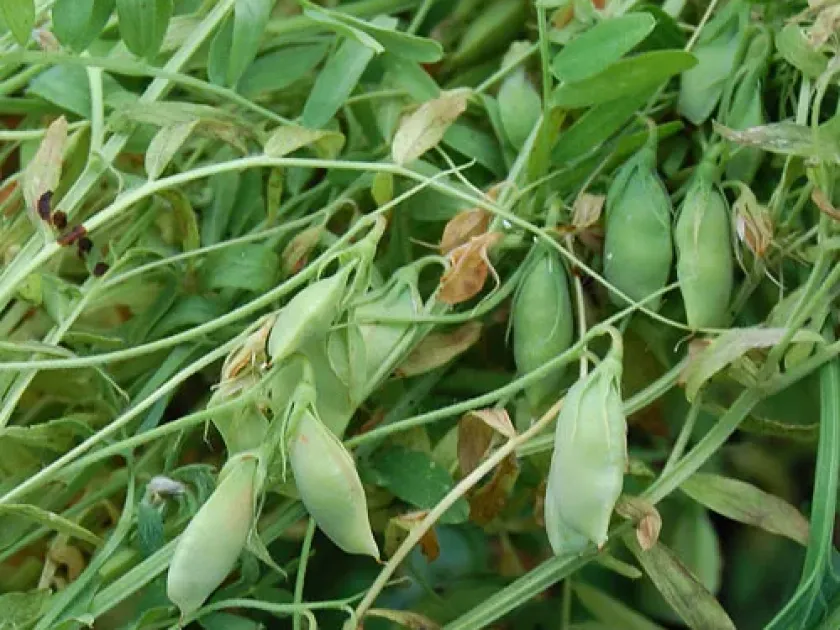
The pathogen attacks all above-ground parts of the lentil plant, including stems, leaves, flowers, and developing pods. Severe infections can lead to total crop failure.
Damage to the foliage reduces the plant's photosynthetic capacity, resulting in stunted growth and significant losses in plant vigor and overall yield potential.
When the stem is infected, the vascular tissue can be compromised, leading to the collapse or premature death of branches, which disrupts nutrient supply to the pods.
Pod infection is the most devastating, as the fungus penetrates the pod wall to directly damage the seeds, causing shriveling, discoloration, and reduced germination.
Beyond yield loss, the quality of the harvested grain is severely degraded, making it unsuitable for commercial sale or as future seed, resulting in significant economic impact.
When it appears
The disease is most prevalent during the growing season, particularly when environmental conditions remain cool to moderate with frequent rainfall or high humidity.
Optimal temperatures for infection and pathogen proliferation range from 18°C to 25°C. High humidity levels (exceeding 85%) are critical for the successful germination of conidia.
The disease cycle can repeat multiple times throughout the season, leading to rapid spread if weather conditions remain favorable for spore development and transmission.
Late-season outbreaks are common during the pod-filling stage, where damp conditions combined with thick canopy foliage create a microclimate ideal for rapid disease spread.
While extended periods of dry, hot weather can suppress the pathogen's activity, the fungus remains dormant in the soil and residues, ready to reactivate when moisture returns.
Signs of infestation
The first signs of infection appear as small, gray or light brown spots on leaves, which gradually expand into larger lesions with distinct dark brown margins.
Stem lesions manifest as elongated, sunken cankers. These lesions may cause the stems to become brittle and eventually break off during windy conditions.
Pods show dark, often circular or irregular lesions, frequently featuring visible black dots in the center, which are the fungal pycnidia embedded in the tissue.
Under persistent high-humidity conditions, a whitish or pale spore-bearing mycelial mat may be visible on the surface of the lesions, especially on the pods.
Infected seeds often show dark blotches or discoloration. When such seeds are planted, they may fail to germinate or produce weak seedlings susceptible to seedling blight.
Control measures
The most effective management strategy is the use of high-quality, certified, disease-free seed to prevent the introduction of the pathogen into new fields.
Implementing a rigorous crop rotation, where lentils are not grown on the same field for at least 3–4 years, is essential to reduce the inoculum level in the soil.
Deep tillage post-harvest helps bury infected crop debris, accelerating decomposition and minimizing the survival rate of the fungus in the field soil.
Fungicide applications are recommended during the growing season, specifically when early symptoms appear or when weather forecasts predict extended periods of rainfall.
- Selection and planting of resistant or tolerant lentil varieties.
- Regular scouting of fields to identify early infection foci.
- Maintaining field hygiene by controlling weeds that may act as alternative hosts.
- Optimizing seeding rates to ensure adequate airflow and reduce humidity within the crop canopy.
Causes diseases · 1
Discussion
No discussions yet — be the first.