
Barley Ascochyta leaf spot
Ascochyta hordei
Description
How to identify
The causative agent of this disease is the fungus Ascochyta hordei, a member of the Ascomycota division. It is classified as an anamorphic fungus, producing asexual spores within specialized fruiting bodies known as pycnidia.
The pathogen completes its life cycle by producing conidia within these dark-colored pycnidia, which rupture through the host epidermis. These spores serve as the primary inoculum for spreading the disease throughout the field.
Ascochyta hordei is capable of surviving for extended periods on crop debris and in the soil. Furthermore, it is often seed-borne, meaning that infected grain can carry the fungus into the next growing season if not properly treated.
Laboratory identification involves isolating the fungus on culture media, where it produces a characteristic mycelium. Microscopic examination is essential to distinguish it from other Ascochyta species that infect different cereals.
The presence of pycnidia is a hallmark of the pathogen. Under magnification, these structures appear as small, spherical, dark-brown to black dots embedded within the lesions on the leaves or stems.
What it damages
Barley is the primary host for Ascochyta hordei, though it may occasionally affect other wild or cultivated grasses. The infection impacts the crop from the seedling stage through to physiological maturity.
By attacking the leaves and leaf sheaths, the fungus reduces the photosynthetic area of the plant. This leads to a decrease in biomass accumulation and affects the overall grain yield and quality of the barley crop.
Severe infestations can lead to premature senescence of the foliage. When the infection reaches the head, it can result in shriveled or discolored kernels, which compromises the final yield and market value.
The structural integrity of the stems can also be weakened if the fungus penetrates the plant tissues deeply. This can cause stem breakage, making the crop more susceptible to environmental stress and lodging.
Ultimately, the damage caused by barley Ascochyta leaf spot represents a significant economic loss, especially when combined with other foliar diseases that may affect the crop simultaneously.
Signs of infestation
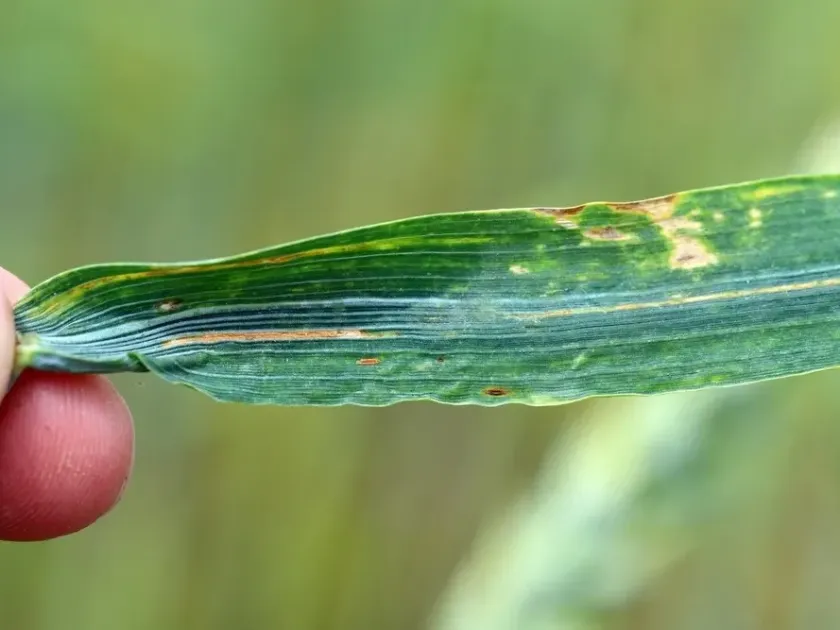
The symptoms of barley Ascochyta leaf spot typically appear as lesions on the leaves. These spots start as small, yellow-brown areas that gradually expand into circular or irregular shapes with light-colored centers.
A distinctive feature of the lesion is the dark-colored margin that contrasts with the bleached, necrotic center. This pattern is easily recognizable when inspecting the field for disease symptoms.
As the infection progresses, black, pin-head-sized pycnidia emerge within the dead tissue of the lesions. These are diagnostic structures that indicate the presence of the pathogen Ascochyta hordei.
When environmental conditions are humid, the pycnidia may release masses of spores, often appearing as a slimy or dusty deposit on the surface of the leaf spots, aiding in the dissemination of the fungus.
In advanced cases, leaf lesions may coalesce, covering large parts of the leaf blade and causing it to wither and die. This can lead to a scorched appearance of the crop canopy in heavily infected areas.
Control measures
Effective management begins with the use of clean, certified seeds that have been treated with appropriate fungicides. Seed treatment is the most critical step in preventing the introduction of the pathogen into new fields.
Crop rotation is a fundamental practice to break the infection cycle. By not planting barley in the same field for at least two years, the soil-borne inoculum is allowed to decline naturally due to the decomposition of residues.
Sanitation practices, such as the deep incorporation of crop residues into the soil through plowing, are highly recommended. This promotes faster decay of infected stubble and reduces the chance of spore survival.
Foliar fungicide applications during the vegetative growth stages can suppress the spread of the disease. It is important to apply these treatments preventively or at the earliest signs of leaf spots for best results.
Maintaining a balanced fertility program is essential for plant health. Providing sufficient nutrients, especially potassium and phosphorus, strengthens the plant's natural defenses, making it more resilient to fungal attacks.
Causes diseases · 1
Discussion
No discussions yet — be the first.