
Cereal ascochyta blight
Ascochyta graminea
Description
How to identify
Cereal ascochyta blight is caused by the fungus Ascochyta graminea (Kingdom: Fungi, Genus: Ascochyta). This pathogen specifically targets the vegetative organs of small grain cereals.
The fungus produces pycnidia — small, flask-shaped reproductive structures that develop within the plant tissue. These pycnidia contain numerous conidia, which act as the primary source of inoculum.
The pathogen survives between seasons by remaining dormant on crop residues in the soil or through infected seeds. It serves as a persistent threat in agricultural environments.
Its biological cycle is highly dependent on environmental moisture. Once favorable conditions arrive, conidia are dispersed by wind and rain splashes to infect neighboring healthy plants.
Microscopic identification of the fungus involves observing the pycnidia and conidia morphology, which are characteristic markers of the Ascochyta genus.
What it damages
The disease primarily affects wheat, barley, and oats. Infection occurs on leaves, leaf sheaths, and stems, severely compromising the physiological health of the crop.
The main economic damage arises from the reduction of the photosynthetic surface area, which limits the plant's ability to produce energy for grain filling.
When infection occurs early in the growing season, it can lead to stunted growth, reduced tillering, and an overall decrease in plant density across the field.
Severe infestations weaken the plant, leading to premature senescence of the canopy, which ultimately results in a significant reduction in grain yield and quality.
In cases of high disease pressure, ascochyta blight can cause localized epidemics, leading to substantial financial losses if management practices are neglected.
When it appears
Infection cycles begin in the early spring as temperatures rise, often shortly after winter crops resume growth, and continue throughout the growing season.
The spread of the fungus is most rapid during periods of high humidity and frequent precipitation, as the spores require water to germinate on leaf surfaces.
Temperatures ranging from +18°C to +25°C provide the optimal environment for the proliferation of Ascochyta graminea in the field canopy.
The pathogen tends to slow down its activity during periods of extreme heat and prolonged drought, as desiccation limits the viability of the fungal spores.
Overwintering occurs on the stubble and debris left after harvest, where the fungus remains protected until the following spring, ensuring the continuation of the disease cycle.
Signs of infestation
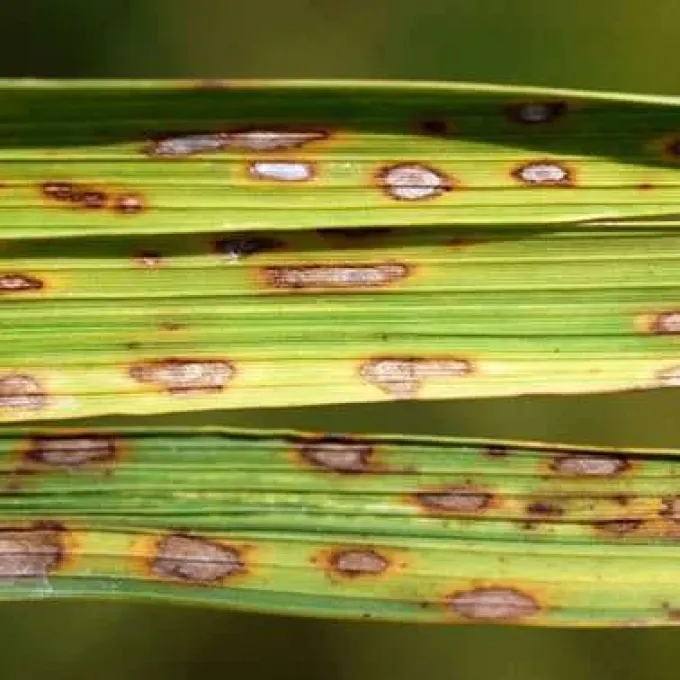
Initial symptoms are characterized by small, light-gray or brown spots, often bordered by a distinct dark margin that separates the necrotic area from healthy green tissue.
As the lesion matures, the diagnostic feature is the appearance of tiny black dots — the pycnidia — clustered within the necrotic spots on the leaf surface.
Severe infection causes the leaves to yellow, curl, and die back, starting from the lower leaves and progressing upwards through the plant canopy.
- Development of necrotic leaf spots with dark margins.
- Presence of black fruiting bodies (pycnidia) within lesions.
- Widespread chlorosis and premature leaf drop.
- Stunted plant growth in early stages of infection.
Under humid conditions, the pycnidia can ooze spores, creating a visible slimy film on the infected plant surfaces, facilitating further spread by rain splash.
Control measures
The use of certified, disease-free seed is a critical first step in preventing the introduction of the pathogen into new areas of production.
Deep plowing or mechanical incorporation of crop residues into the soil helps accelerate the decay of the debris, thereby reducing the primary inoculum levels.
Implementing proper crop rotation strategies is highly effective in breaking the life cycle of the fungus, as it denies the pathogen a host plant for several seasons.
Seed treatment with systemic fungicides is a standard procedure that protects seedlings from initial colonization and ensures a stronger start for the crop.
During the growing season, if symptoms are detected, the application of systemic foliar fungicides can help mitigate the spread and protect the crop yield potential.
Causes diseases · 1
Discussion
No discussions yet — be the first.