
Ascochyta leaf spot of oats
Ascochyta avenae
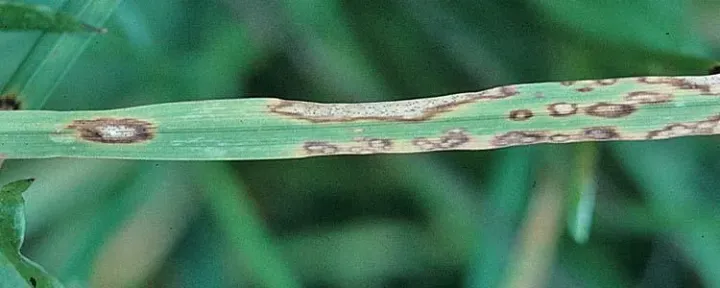
Description
How to identify
The causal agent of this disease is the fungus Ascochyta avenae (often referred to as Stagonospora avenae). It belongs to the division Ascomycota and is recognized as an imperfect fungus that reproduces via pycnidiospores.
The fungus is characterized by the formation of pycnidia, which are dark, flask-shaped structures embedded in the leaf tissue. Inside these pycnidia, numerous spores are produced, which are then released during wet weather to spread the disease.
Ascochyta avenae is a versatile pathogen, surviving in soil, crop residues, and infected seeds. This persistence makes it a recurring problem in fields where hygiene and crop rotation are not strictly practiced.
Identification often requires careful field scouting. The pathogen is favored by moderate temperatures and frequent rainfall, which facilitate the rapid germination and dispersal of spores across the crop canopy.
Laboratory diagnosis through microscopic examination remains the most reliable method for confirming the presence of Ascochyta avenae, distinguishing it from other leaf spot pathogens based on the structure of its pycnidia and spores.
What it damages
Oats are the primary host for this pathogen. The disease impacts the crop by reducing the total green leaf area, which is vital for effective photosynthesis and grain filling during the maturation stage.
The infection leads to chlorosis and necrosis of the leaves. As the disease progresses, the reduction in photosynthetic capacity results in lower grain weight and diminished crop quality.
Stems can also be infected, which significantly weakens the plant structure. This stem infection increases the risk of lodging, especially in windy or stormy conditions, complicating the harvesting process.
The overall crop yield can be significantly reduced, with losses being most severe in fields where early-season moisture created optimal conditions for the fungus to establish itself.
Secondary damage occurs due to the weakening of the plants, which makes them more susceptible to colonization by opportunistic secondary pathogens, further degrading the harvest quality.
Signs of infestation
The first symptoms typically appear as small, light-colored or gray spots on the leaves. These spots often feature a darker margin, making them distinguishable from other environmental injuries.
A hallmark of the disease is the presence of pycnidia within the lesions. These appear as tiny, black dots that are easily visible on the surface of the necrotic spots during later stages of development.
As the infection advances, these spots enlarge and may coalesce, leading to the rapid yellowing and death of the entire leaf. This usually begins from the lower canopy and moves upward.
- Light gray or brown lesions with dark borders.
- Presence of visible black pycnidia within the spots.
- Premature wilting and desiccation of leaf blades.
- Brown or dark discoloration of the stems.
- Reduced plant vigor in localized patches of the field.
Stem lesions often appear as elongated, dark streaks. If these lesions girdle the stem, they cut off the supply of nutrients and water to the head, leading to sterile or poorly filled grains.
Control measures
Effective management begins with robust crop rotation practices. Avoiding the cultivation of susceptible small grains in the same field for several consecutive years is essential for reducing inoculum buildup.
Proper residue management is crucial. Deep plowing or incorporating crop debris into the soil accelerates the decomposition process, effectively reducing the fungal inoculum available for the next season.
Seed health is paramount. Using certified, disease-free seed and applying appropriate seed treatments can prevent the introduction of the pathogen into new fields and protect the crop during the vulnerable seedling stage.
The use of resistant or tolerant oat varieties remains the most cost-effective long-term solution to mitigate the impact of Ascochyta leaf spot.
When environmental conditions favor disease development, foliar fungicide applications are recommended. Timing these treatments to coincide with critical growth stages ensures maximum protection of the flag leaf and head.
Causes diseases · 1
Discussion
No discussions yet — be the first.