
Ascochyta blight of lupin
Ascochta tarda
Description
How to identify
Ascochyta blight of lupin is a serious fungal disease caused by the pathogen Ascochyta tarda. It belongs to the order Pleosporales within the Ascomycota phylum and is known for its high host specificity to lupin species.
The pathogen reproduces via pycnidia, which are small, dark fruiting bodies embedded within the host tissue. Inside these pycnidia, the fungus produces conidia, which serve as the primary inoculum for spreading the disease within a field.
Mycelium growth occurs within the plant tissues, leading to cell necrosis and degradation of the plant's vascular system. The pathogen is highly persistent, capable of surviving in soil, crop residues, and infected seeds for extended periods.
Under microscopic analysis, the conidia appear as hyaline, typically bicellular structures. These spores are released during wet weather and are spread primarily through rain splash, which is a major factor in the disease cycle.
The identification of the pathogen is confirmed by isolating it from symptomatic tissues on nutrient media, where it produces characteristic pycnidia, or by observing the structures directly on the host.
What it damages
The disease affects all lupin species, including narrow-leafed, yellow, and white lupin. It attacks all aerial parts of the plant, including leaves, petioles, stems, and pods, significantly affecting the crop's health.
Severe infection causes premature leaf drop, which drastically reduces the photosynthetic area of the plant. This leads to a decline in overall plant vigor and reduces the plant's ability to fill its pods effectively.
Infection of the pods is particularly damaging as it allows the pathogen to colonize the developing seeds. This results in discolored, shriveled, or rotten seeds, which directly reduces both yield quantity and quality.
The damage extends to the seed's viability, making infected lots unsuitable for sowing. This can lead to poor emergence and early-season disease outbreaks in subsequent years if infected seeds are planted.
Overall, Ascochyta blight can lead to yield losses ranging from 20% to 50% in heavily infested fields, especially when environmental conditions favor the pathogen's rapid development.
When it appears
The disease cycle typically initiates in early spring, as rising temperatures and soil moisture trigger the germination of spores present in crop debris or the soil surface.
High humidity and rainfall are essential for the rapid spread of the fungus. Rain splashes move spores from the ground or lower leaves to the upper parts of the plant, facilitating upward disease progression.
The most active phase of the disease coincides with the flowering and pod-filling stages. During this time, the plant is most susceptible, and the fungal development can lead to rapid colonization of reproductive organs.
Temperatures between 15°C and 25°C are ideal for the development of Ascochyta tarda. Within this range, the pathogen can produce multiple generations of conidia, leading to rapid epidemics in dense stands.
As the season comes to an end and plants reach maturity, the fungus persists in the stems and pods by forming dormant pycnidia, ensuring its survival until the next growing season.
Signs of infestation
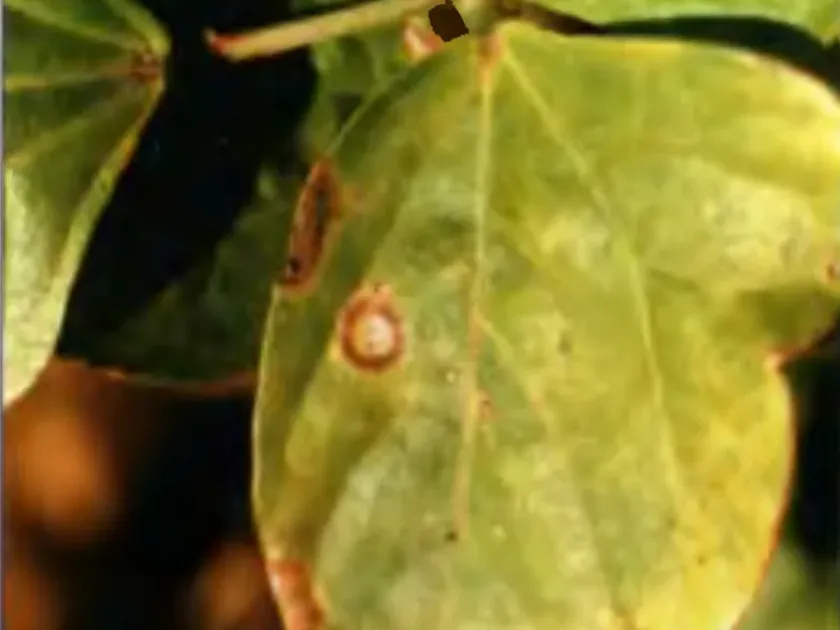
Symptoms initially appear as small, circular, or irregular brown spots on leaves and stems. As the spots enlarge, they often develop a darker, reddish-brown margin that helps distinguish them from other leaf spot diseases.
On stems, the lesions may form elongated, sunken cankers. If these cankers girdle the stem, the portion of the plant above the lesion will wilt and die due to the disruption of water and nutrient transport.
A hallmark sign of the infection is the presence of tiny, pin-head-sized black dots within the lesions, which are the pycnidia. These are easily visible with a hand lens and confirm the identity of the fungus.
Pods infected by the blight show dark, sunken lesions. In severe cases, the pods may turn brown, rot, and contain shriveled seeds covered with a fine, light-colored fungal mycelium.
- Circular brown leaf spots with dark borders.
- Elongated, sunken stem cankers.
- Visible black pycnidia on necrotic tissue.
- Wilting of stems due to girdling.
- Poorly developed, discolored seeds in infected pods.
Control measures
Effective management begins with strict crop rotation. Avoiding lupins on the same land for at least 3-4 years helps break the pathogen's life cycle and reduces the inoculum load in the soil.
The use of disease-free, certified seeds is paramount. If seeds must be saved from a harvest, they should be cleaned thoroughly and treated with systemic fungicides to reduce the risk of seed-borne transmission.
Deep plowing after harvest is an essential cultural practice. Burying crop debris promotes faster decomposition, which reduces the survival rate of the pathogen in the field.
During the growing season, regular monitoring is necessary. If environmental conditions favor the disease, the application of foliar fungicides from the triazole or strobilurin classes can provide effective protection.
Breeding for resistance remains the most sustainable approach. Incorporating resistance genes into modern lupin varieties is the primary focus of long-term disease management strategies for this pathogen.
Causes diseases · 1
Discussion
No discussions yet — be the first.