
Armillaria solidipes
Armillaria solidipes
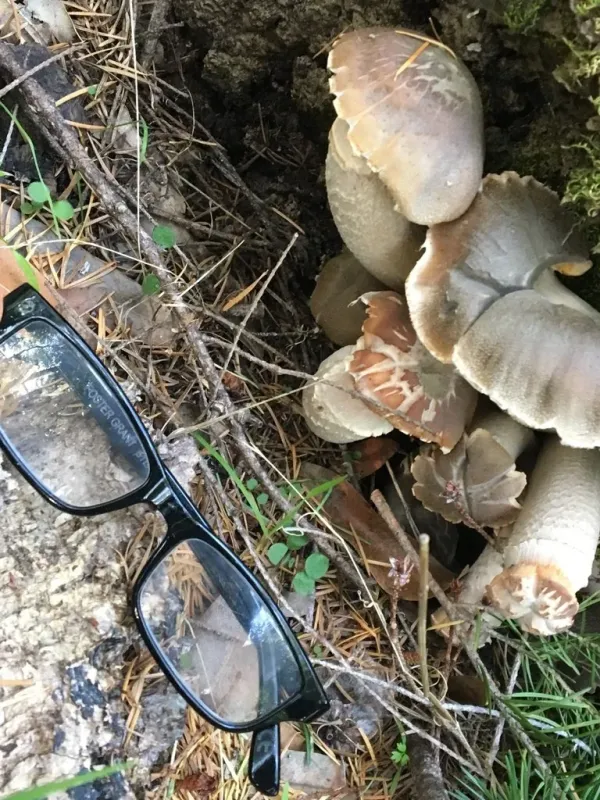
Description
How to identify
Armillaria solidipes is a fungal species within the Physalacriaceae family, commonly recognized as a significant root rot pathogen. It is part of the Armillaria genus, known for causing white rot in various woody plants.
The fungus is distinguished by its solid stem structure, which is reflected in its scientific name. It acts as both a saprotroph, decomposing dead organic matter, and a necrotrophic parasite affecting living trees.
The primary mechanism of spread is the production of rhizomorphs—root-like mycelial cords that grow through the soil to seek new hosts. These structures allow the fungus to infect trees over significant distances.
Taxonomically, it is classified based on specific biological and genetic characteristics, as morphology alone is often insufficient for distinguishing it from closely related species in the Armillaria complex.
This pathogen forms extensive mycelial mats, or "fans," between the bark and the wood, which is a hallmark feature for field identification of Armillaria infections in forest ecosystems.
What it damages
Armillaria solidipes affects a wide range of coniferous and deciduous species. It is particularly destructive to spruces and pines, causing serious economic losses in timber production and reforestation programs.
By attacking the cambium, the fungus disrupts the flow of nutrients and water. This leads to progressive decline, foliage chlorosis, and eventually, the death of the infected host plant.
In landscaping and forestry, the pathogen creates gaps in forest cover, reducing the stability of the ecosystem. Infected trees become vulnerable to windthrow, which accelerates the spread of the fungus to healthy neighboring trees.
The disease degrades the quality of wood by causing extensive white rot. This renders the timber useless for commercial purposes and significantly impacts the biomass production in infected areas.
Young plantations are highly susceptible. A single outbreak can destroy an entire nursery or young stand, leading to long-term issues with soil health and replanting success.
When it appears
The development of the fungus is year-round, though the growth of rhizomorphs in the soil is most active during periods of moderate temperatures and adequate soil moisture.
Fruiting bodies typically emerge in late summer and autumn, particularly after periods of high rainfall. These mushrooms produce spores that facilitate the aerial dispersal of the fungus.
Infection through soil contact can occur throughout the growing season. While dry conditions may slow down the rhizomorph expansion, the fungus remains dormant and viable in the woody debris.
Winter survival is ensured by the robust mycelium residing deep within the stumps and root systems. The pathogen is highly resistant to low temperatures, making it a persistent problem in various climatic zones.
Stress factors, such as drought, insect infestations, or mechanical damage, significantly increase tree vulnerability, often triggering visible decline after the pathogen has already established its roots.
Signs of infestation
The initial signs of infection often involve thinning of the crown, premature yellowing, or early leaf drop. The growth rate of the tree slows down noticeably before complete desiccation occurs.
- White mycelial mats appearing between the bark and wood at the root collar.
- Dark, cord-like rhizomorphs found on the surface of roots.
- A distinct mushroom odor emanating from the decaying root or stem wood.
- Exudation of resin in conifers as a defense mechanism against infection.
- Clusters of mushrooms at the base of the infected trunk during late season.
In advanced stages, the internal wood exhibits white rot with distinct black zone lines, signaling the breakdown of structural compounds by fungal enzymes.
Control measures
Effective control starts with sanitation: removing infected stumps and root debris is the most critical step to disrupt the inoculum source in the field.
Promoting tree vigor through proper irrigation and soil management is essential. Healthy, fast-growing trees have better defense mechanisms against fungal invasion.
In forest management, establishing mixed species stands is a recommended strategy. Diversifying the plant community makes it harder for the pathogen to spread effectively between susceptible hosts.
Biological control methods, such as inoculating soil with Trichoderma species, have shown promise in inhibiting the growth of Armillaria rhizomorphs and protecting new plantings.
In cases of severe infestation, complete removal of the diseased plant, including its root system, is necessary. The surrounding soil may require treatment or a fallow period before replanting.
Causes diseases · 1
Discussion
No discussions yet — be the first.