
Arabis mosaic virus
Arabis mosaic
Description
How to identify
Arabis mosaic virus (ArMV) is a significant plant pathogenic virus classified under the family Secoviridae and the genus Nepovirus. It is known for its wide range of hosts and global distribution.
The virus particle is an icosahedral structure approximately 30 nm in diameter. Its genome consists of two segments of single-stranded RNA, which are essential for viral replication and protein synthesis.
Transmission occurs primarily through soil-inhabiting nematodes, particularly the Xiphinema diversicaudatum species. These nematodes acquire the virus while feeding on infected roots.
Seed transmission is another vital pathway, allowing the virus to persist in soil and spread across international borders through contaminated seeds and planting material.
Mechanical transmission via plant sap is common in agricultural settings, particularly during propagation, pruning, or cultivation using contaminated tools.
What it damages
ArMV affects a vast array of plant species, including economically important crops such as strawberries, raspberries, grapevines, hops, and sugar beets.
In the ornamental sector, the virus frequently infects plants like lilies, narcissi, gladioli, and various perennials, significantly diminishing their commercial and aesthetic value.
The virus induces systematic infection, disrupting plant physiology, reducing the efficiency of photosynthesis, and leading to stunted vegetative growth.
Farmers face severe economic losses due to reduced crop yield, fruit malformation, and the eventual necessity to remove and replace entire infected fields or plantations.
Infected plants exhibit increased susceptibility to environmental stressors such as drought or cold, leading to higher rates of mortality in high-value agricultural systems.
Signs of infestation
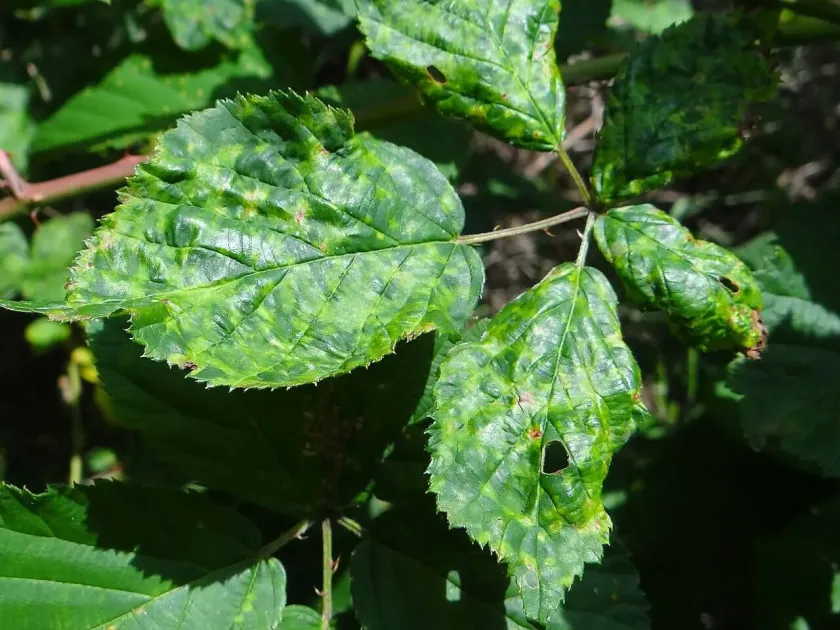
The most common symptoms include mosaic patterns on foliage, characterized by alternating light-green or yellow mottling, chlorotic rings, and line patterns.
Affected leaves often show significant malformations, such as crinkling, cupping, or asymmetry, which severely affect the plant's structural integrity.
Stunting and reduced growth are frequently observed, with many plants displaying shortened internodes, leading to a compact and distorted growth habit.
Floral symptoms include discoloration, variegated petals, and bud deformity, which are particularly detrimental to floriculture and seed production industries.
In strawberries, specific symptoms involve leaf yellowing and edge necrosis, combined with a significant reduction in the number of runners produced by the mother plant.
Control measures
The primary control strategy is the utilization of virus-indexed, certified planting material to prevent the introduction of the pathogen into clean areas.
Management of the nematode vector is crucial; this involves soil fumigation prior to planting and long-term crop rotation with non-host species to reduce nematode populations.
Strict weed management is essential, as many common weeds serve as reservoirs for the virus, maintaining the infection source even in the absence of crop hosts.
Sanitation protocols must be enforced during agricultural operations, including the rigorous disinfection of pruning tools and equipment to prevent mechanical virus spread.
Regular field inspection and immediate rogueing (removal and destruction) of symptomatic plants are necessary to minimize the spread of the virus within active fields.
Discussion
No discussions yet — be the first.