
Arabis mosaic virus
Arabis mosaic
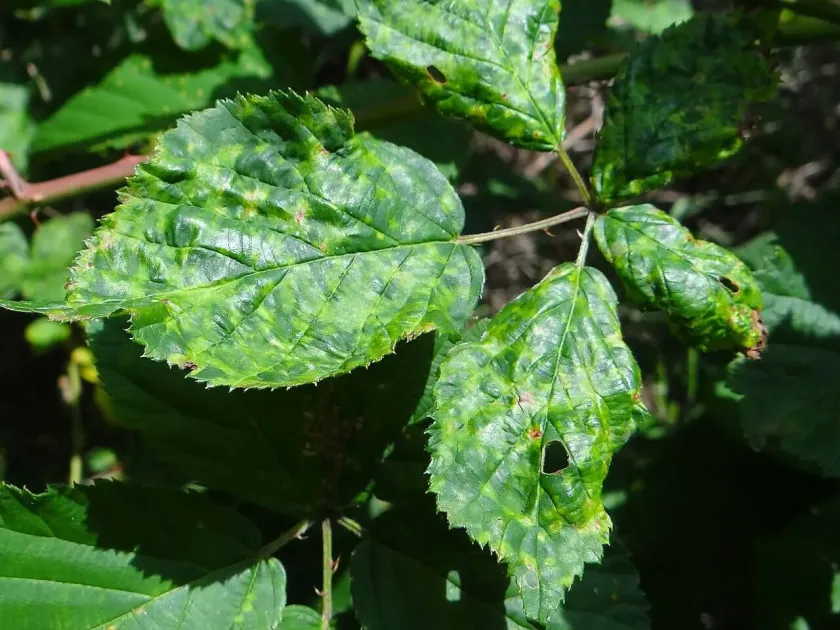
Description
How to identify
Arabis mosaic virus (ArMV) is a plant pathogenic virus belonging to the genus Nepovirus within the family Secoviridae. It is a single-stranded RNA virus known for its wide host range across many botanical families.
The virus is primarily transmitted by soil-inhabiting nematodes of the genus Xiphinema, most notably Xiphinema diversicaudatum. These nematodes acquire the virus by feeding on infected roots.
Apart from nematode transmission, the virus is spread through infected nursery stock, seeds, and vegetative propagation materials such as cuttings or rootstocks used in grafting.
The pathogen is taxonomically classified as a nepovirus, characterized by its ability to cause severe systemic infections in a variety of herbaceous and woody hosts.
The environmental survival of the virus depends on the presence of suitable host plants, including weed reservoirs, and the persistence of nematode vectors within the soil profile.
What it damages
This virus affects a wide range of economically important crops, including strawberries, raspberries, grapevines, hops, beets, and numerous ornamental species used in horticulture.
Infected plants suffer from reduced vigor, stunted growth, and significantly lower yields, making the virus a major concern for commercial fruit and nursery production.
In grapevines, ArMV is associated with severe leaf deformations and necrosis, which impair the plant's ability to photosynthesize and survive cold winter conditions.
Strawberry crops infected with ArMV exhibit reduced berry size and poor fruit quality, often leading to total loss of marketability and the need for early replanting of fields.
The cumulative damage caused by the virus often makes plants more susceptible to secondary environmental stresses, further exacerbating the negative impact on crop productivity.
Signs of infestation
The characteristic symptoms include mosaic patterns on leaves, characterized by chlorotic spots, yellow lines, or ring-like patterns that vary depending on the host species.
Leaves often display severe deformation, appearing crinkled, asymmetric, or reduced in size compared to healthy foliage, which is a classic sign of systemic infection.
Flowers on ornamental plants often show "color breaking" or variegation, where the petals develop irregular color patterns, significantly lowering their commercial value.
Overall, plants infected with the virus exhibit stunted development, with shortened internodes and a bushy appearance caused by inhibited growth.
- Chlorotic mottling and mosaic patterns.
- Leaf distortion and crinkling.
- Stunting of the entire plant.
- Ringspot symptoms on foliage.
- Color breaking in flowers.
Control measures
The most effective strategy is the use of certified virus-free planting material, which prevents the introduction of the virus into clean soil and production areas.
Management of the nematode vector population is essential; this includes soil solarization, the use of nematicides, or long-term crop rotation with non-host species.
Sanitation practices such as the immediate removal and destruction of symptomatic plants are critical to stop the local spread of the virus within the field.
Weed control is a vital aspect of management because many perennial weeds act as alternative hosts for the virus, allowing it to persist even when crops are absent.
Rigorous adherence to quarantine measures and regional inspection programs helps to limit the geographic distribution of ArMV and protects healthy nursery enterprises.
Discussion
No discussions yet — be the first.