
Apple stem grooving virus
Apple stem
Description
How to identify
Apple stem grooving virus (ASGV) is a plant pathogenic virus belonging to the genus Capillovirus within the Betaflexiviridae family. It is a filamentous, single-stranded RNA virus.
This virus has a broad host range, infecting various species including apple, pear, and some stone fruits. It is globally distributed, primarily spread via vegetative propagation and contaminated grafting tools.
The virus systemic infection process allows it to colonize the entire vascular system of the host plant. Once a tree is infected, it remains a carrier for its entire lifespan, which is a major concern for nursery production.
Natural transmission vectors, such as specific insects or nematodes, are often debated, but human-mediated spread through grafting is considered the primary mode of transmission in commercial orchards.
Biological studies show that the virus interferes with plant cell signaling and nutrient transport pathways, leading to structural and functional degradation of the wood and phloem tissues.
What it damages
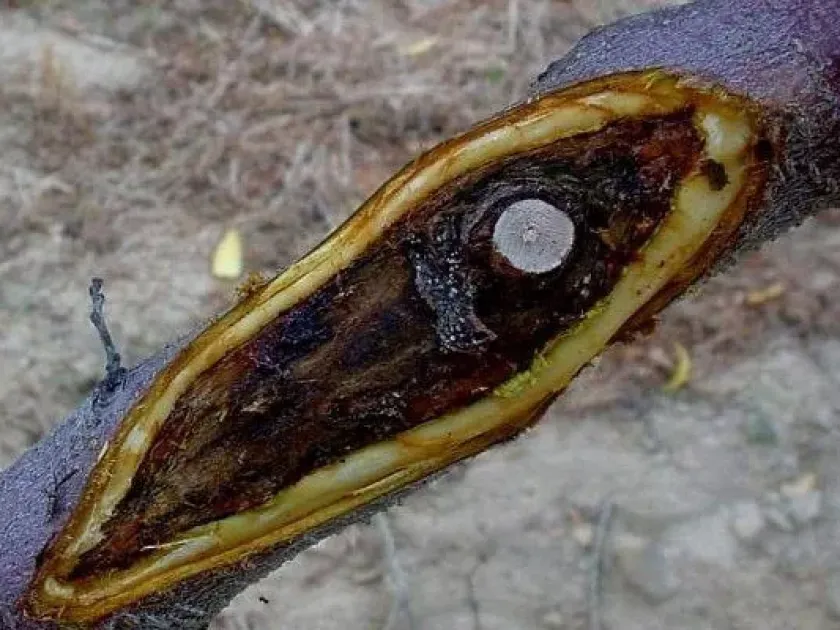
The primary damage caused by ASGV is the formation of distinct deep grooves and depressions in the woody tissue of trunks and scaffold branches. These symptoms are often hidden under the bark.
These woody abnormalities disrupt the translocation of water and essential nutrients from roots to the canopy. Consequently, the tree suffers from chronic physiological stress and reduced vitality.
In the long term, ASGV infection causes significant yield decline and lower fruit quality. The affected trees are less capable of sustained high-volume production, impacting the orchard's profitability.
The virus increases the tree's susceptibility to other biotic and abiotic stressors, such as cold temperatures and secondary fungal or bacterial pathogens, accelerating the decline of the orchard.
Incompatible rootstock-scion combinations, often exacerbated by ASGV, lead to poor unions, which can result in tree breakage under heavy fruit loads or high winds.
Signs of infestation
Symptoms are frequently absent (latent) in many apple cultivars, making visual identification challenging. The virus can persist without causing obvious harm for several years.
Visible symptoms on trunks appear as deep, elongated grooves and pits in the wood, which become apparent upon bark removal. These grooves are the hallmark of the disease.
Leaves may show yellowing or mosaic patterns in some sensitive hosts. Growth retardation is another common sign, leading to smaller, less vigorous trees compared to healthy cohorts.
The union of the graft may display overgrowths or necrotic tissues in severe cases, signaling a biological incompatibility aggravated by the viral presence.
For accurate diagnosis, ELISA or RT-PCR techniques are standard. These laboratory tests are essential for nurseries to certify that stock is free from ASGV before commercial distribution.
Control measures
The cornerstone of control is the use of virus-free, certified nursery stock. Only trees tested negative for ASGV should be planted in new orchards.
Strict sanitation procedures for all horticultural tools are mandatory. Sterilizing pruning shears, saws, and grafting knives between trees prevents the mechanical transmission of the virus.
Avoid sourcing grafting material from orchards with unknown health status or those displaying symptoms of woody tissue degradation or general decline.
Regular monitoring and routine testing of orchard health help detect infected trees early. Once identified, infected individuals should be removed to eliminate potential sources of further spread.
Implementing a comprehensive integrated pest and disease management program ensures that orchards maintain high production standards and minimize the impact of latent viral infections.
Causes diseases · 4
Discussion
No discussions yet — be the first.