
Apple chlorotic leaf spot
Apple chlorotic
Description
How to identify
The causal agent is the Apple chlorotic leaf spot virus (ACLSV), which belongs to the genus Trichovirus in the family Betaflexiviridae.
The virus consists of filamentous particles that are primarily transmitted through budding, grafting, and the use of infected propagation material.
This phytopathogen has a wide host range, infecting not only apple trees but also pears, plums, cherries, and various other stone fruit species.
Spread within the orchard is relatively slow, as the virus does not typically transfer through soil or contact between branches, requiring mechanical intervention.
Field diagnosis is difficult due to variable symptom expression, necessitating laboratory-based methods like ELISA or RT-PCR for accurate detection.
What it damages
The disease affects vegetative plant parts, causing systemic infection that particularly impacts young nursery stock and commercial orchards.
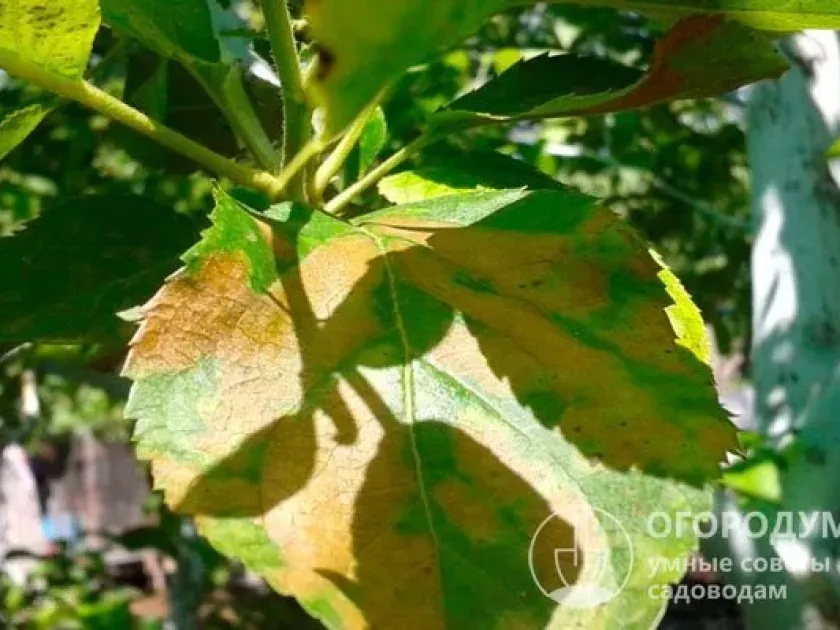
Infected apple trees exhibit chlorotic or necrotic spots on leaves, which significantly reduces the plant's overall photosynthetic capacity.
Severe infection leads to leaf deformation, premature defoliation, and a general weakening of the tree's immune response to environmental stressors.
Sensitive varieties show stunted shoot growth and reduced fruit size and quality, leading to measurable yield losses for commercial growers.
Advanced stages of the disease decrease winter hardiness, making trees more susceptible to secondary fungal and bacterial opportunistic pathogens.
Signs of infestation
Early symptoms appear in spring or early summer, presenting as light-colored spots, rings, or lines on young leaves that may eventually turn necrotic.
A distinctive "chlorotic mosaic" pattern is often observed, where the leaf exhibits irregular pale streaks or mottled, blotchy discoloration.
Some apple cultivars show latent infection, where the tree appears asymptomatic but remains a reservoir for spreading the virus to neighboring trees.
Bark symptoms, including cracking or irregular discoloration, may occasionally occur, indicating the systemic nature of the viral spread.
Fruits may occasionally show irregular development or skin spots, which compromises their appearance and market value.
Control measures
The primary control measure is the use of virus-indexed, certified nursery stock when establishing new orchard plantings.
Strict disinfection protocols for pruning tools (shears, knives) are essential after every operation to prevent viral transmission through sap contamination.
Proactive monitoring in nurseries and the rogueing (removal) of infected trees is necessary to minimize the spread of the virus within the farm.
- Selection of virus-resistant rootstocks.
- Effective insect control management, as some vectors can contribute to secondary virus spread.
- Spatial isolation of young, virus-free plantings from older, potentially infected tree populations.
Currently, there are no chemical virucides available, so disease management relies entirely on prevention, sanitation, and breeding for resistance.
Discussion
No discussions yet — be the first.