
Andean potato latent virus
Andean potato
Description
How to identify
Andean potato latent virus (APLV) is a plant pathogen belonging to the genus Tymovirus. It is a single-stranded RNA virus known for its ability to persist in potato crops without causing clear outward symptoms, hence the term "latent."
The virus is characterized by high mechanical stability, which facilitates its transmission through agricultural tools, handling, and direct plant-to-plant contact in the field. This makes hygiene practices critical in potato cultivation.
As a systemic pathogen, APLV primarily infects Solanaceous crops. Its biological cycle is closely tied to the vegetative reproduction of potatoes, as the virus is efficiently transmitted through infected tubers to the next generation.
Research indicates that several serotypes of APLV exist, varying in their virulence and host range. The pathogen's ability to remain "hidden" while actively replicating makes it a significant challenge for phytosanitary inspectors and seed producers worldwide.
Modern diagnostic tools, such as ELISA (Enzyme-Linked Immunosorbent Assay) and RT-PCR, are essential for identifying the virus, as it often escapes detection during standard field inspections.
What it damages
The primary host for APLV is the cultivated potato (Solanum tuberosum). While the virus may not kill the host, it significantly impacts the vitality of the plant and the quality of the harvest over multiple growing seasons.
Economic damage stems from reduced yield, smaller tuber size, and the gradual degeneration of potato varieties. Infected plants often show decreased vigor, making them less capable of thriving under stressful environmental conditions.
The cumulative effect of APLV, especially when combined with other potato viruses like PVX or PVS, leads to substantial losses in productivity. This forces growers to replace seed stocks more frequently to maintain profitability.
In addition to yield reduction, the presence of the virus poses a regulatory risk. Many countries maintain strict quarantine requirements regarding APLV to prevent its introduction into their agricultural systems.
The indirect impact includes the costs of diagnostics, quarantine measures, and the loss of international market access for growers whose seed potatoes do not meet phytosanitary standards.
Signs of infestation
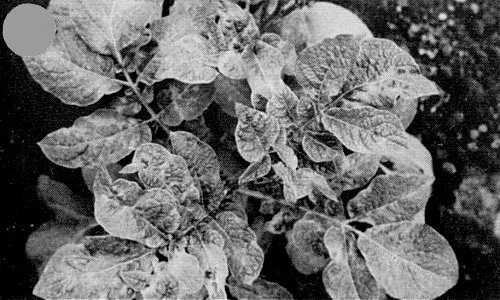
Identification based on visual symptoms is notoriously difficult because the virus is often asymptomatic. In many potato cultivars, there are no characteristic mosaics or deformities, which is why the disease often goes unnoticed until yield is analyzed.
On susceptible cultivars, one might observe mild symptoms such as slight leaf yellowing (chlorosis), mottling, or reduced plant vigor. However, these signs are non-specific and easily mistaken for nutritional deficiencies or environmental stress.
- Asymptomatic or latent infection in most varieties.
- Mild chlorotic mottling on leaves under specific conditions.
- General reduction in tuber size and total crop weight.
- Increased susceptibility to secondary infections due to physiological weakness.
Since visual assessment is unreliable, professional growers rely on laboratory testing to ensure the health of their propagation material. A lack of symptoms does not equate to a lack of infection.
Confirming the presence of APLV requires laboratory analysis using highly specific antisera or molecular probes designed to detect the virus's RNA or coat protein.
Control measures
The primary defense strategy is the exclusive use of certified virus-free seed potatoes. Sourcing clean material derived from meristem culture is the most effective way to prevent APLV from entering a production site.
Rigorous sanitation of all agricultural equipment is mandatory. Disinfecting cutting tools, knives, and mechanical harvesters between fields or batches of seed prevents the mechanical spread of the virus.
Effective management includes regular field roguing. While challenging due to the lack of clear symptoms, removing plants that show even minor abnormalities can help keep the viral load in the field at a manageable level.
While insect vectors play a less prominent role compared to other viruses, managing pest populations contributes to a healthier crop environment and prevents the exacerbation of mixed viral infections.
Implementing a long-term strategy involving periodic laboratory screening of breeding stocks and quarantine of imported potato material remains the industry standard for controlling APLV spread.
Discussion
No discussions yet — be the first.