
Spinach leaf spot
Alternaria spinaciae
Description
How to identify
The causative agent of this disease is Alternaria spinaciae, an imperfect fungus belonging to the kingdom Fungi and the genus Alternaria. This pathogen is highly specialized and primarily affects the foliage of spinach plants.
The fungus develops mycelium within the plant tissues, with conidiophores emerging through the stomata or epidermis to release spores. These conidia are typically dark-brown or olive-colored, possessing a diagnostic beak-like shape.
The biology of the pathogen allows it to adapt to various environmental conditions, using the spinach plant as a primary host. It survives the off-season through resting structures in decaying plant debris.
The infection cycle involves active mycelial growth and rapid conidial sporulation. These spores are disseminated by wind, splashing rain, and irrigation water, facilitating quick spread throughout the field.
Identification is best confirmed through microscopic analysis of the olive-colored fungal growth on lesions. Laboratory culturing on nutrient media can also be used to distinguish it from other necrotic diseases.
What it damages
Spinach (Spinacia oleracea) is the primary host for this pathogen. The disease causes significant cosmetic damage to leaves, rendering them unmarketable and unsuitable for consumption due to spotting and wilting.
Seedling blight is a common outcome of severe infection, leading to poor crop stands and the necessity for reseeding. This results in direct economic loss for farmers and reduced harvest yield.
When the petioles are infected, they can become weak and brittle, causing the leaves to collapse. This makes the mechanical harvesting and cleaning process difficult and costly.
In greenhouse operations, the disease can spread rapidly, potentially destroying entire crops. The presence of necrotic tissue also serves as an entry point for secondary pathogens, further degrading product quality.
The accumulation of mycotoxins in damaged tissues is a serious food safety concern, which is why infected spinach is generally discarded rather than processed for consumption.
When it appears
The development of the pathogen is favored by high humidity (over 85%) and moderate temperatures, typically ranging between +18°C and +25°C. Prolonged wet conditions are the primary driver of epidemics.
Outbreaks are most frequent during spring and autumn when rainfall is heavy. In controlled greenhouse environments, lack of proper ventilation and irrigation management are the main contributors to disease flare-ups.
Primary inoculum is usually provided by infected plant debris in the soil from previous seasons. The fungus can persist in the soil for extended periods, remaining viable until new spinach is planted.
Secondary infections occur continuously throughout the growing season. New generations of conidia can re-infect healthy tissue within days if the moisture conditions are favorable for germination.
Dense planting patterns significantly increase disease pressure by limiting air movement around the plants. This maintains a humid microclimate that prevents leaves from drying out, accelerating spore germination.
Signs of infestation
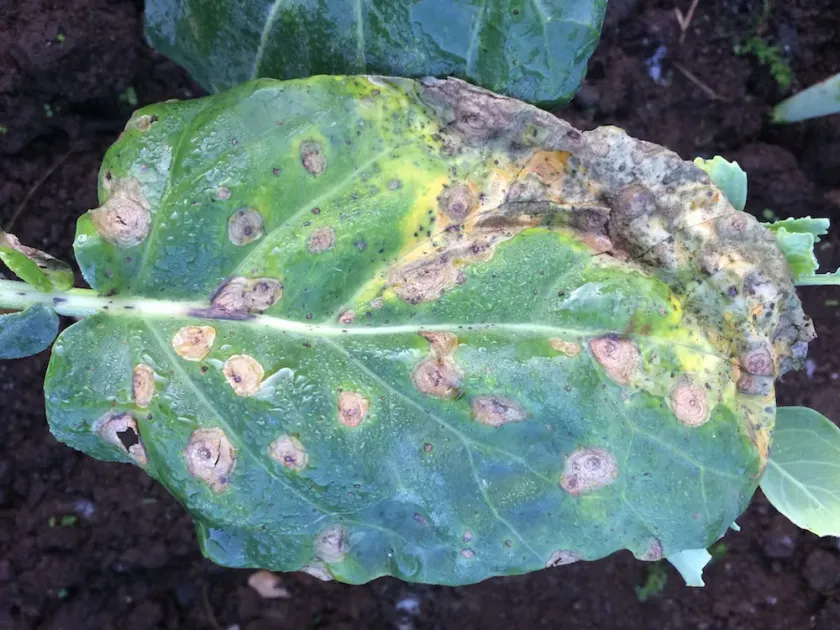
The disease is characterized by local necrotic spots on the leaves. These spots start small and yellow but expand into dark brown or black lesions as the infection progresses.
- Development of concentric rings (target-like patterns) within the lesions.
- Darkening and death of tissues at the center of the spots.
- Appearance of an olive-colored fungal mold under humid conditions.
- Premature yellowing and wilting of the lower leaves.
- Deformation and curling of the leaf blade.
A distinct feature is the chlorotic halo surrounding the lesions, which indicates the movement of fungal toxins into the healthy leaf tissue. As the spots expand, they coalesce and cover large areas of the leaf surface.
Stems and petioles show elongated dark streaks or depressed lesions. These symptoms often result in the lodging of the leaves, which then come into contact with wet soil, further worsening the rot.
In the final stages, the entire plant may show signs of systemic decline, turning brown and failing to develop. If the growing point is infected, the plant ceases growth entirely.
Control measures
Crop rotation is the most effective preventative measure. Avoiding the planting of spinach or related species in the same soil for at least 3–4 years helps reduce the soil-borne inoculum.
Sanitation is critical; all plant debris should be removed or deeply incorporated into the soil immediately after harvest to speed up the decomposition process and destroy fungal resting structures.
Using certified, disease-free seed and seed treatments is essential for preventing the introduction of the pathogen into new growing areas. Choosing resistant varieties, if available, is recommended.
Irrigation management is key. Switching from overhead irrigation to drip irrigation reduces leaf wetness duration, which is crucial for preventing spore germination and limiting secondary spread.
Chemical control involving fungicides may be necessary in high-pressure scenarios. Applications should be performed according to local regulations, strictly adhering to pre-harvest intervals for safety.
Causes diseases · 1
Discussion
No discussions yet — be the first.