
Alternaria rot
Alternaria rot
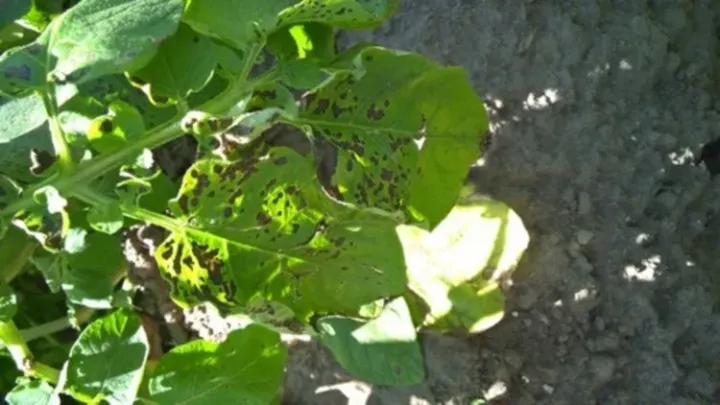
Description
How to identify
Alternaria rot is a destructive plant disease caused by various species of the Alternaria genus. Taxonomically, these fungi belong to the kingdom Fungi and the phylum Ascomycota. This pathogen is known for being a widespread opportunistic parasite that affects a vast range of plant tissues.
The fungus produces a dark-pigmented mycelium and conidiophores that bear distinctive, multi-cellular, club-shaped conidia. These spores are highly resilient and are primarily dispersed by wind, rain splashes, and human activity, enabling the pathogen to colonize new plant hosts rapidly.
What it damages
This pathogen impacts a wide range of economically significant crops, including solanaceous vegetables (potatoes, tomatoes), brassicas, and various fruits. The damage includes leaf spots, stem blights, and rot on fruits and tubers, which can occur both in the field and during post-harvest storage.
The economic impact of Alternaria rot is severe, as it causes significant yield losses and reduces the marketability of agricultural produce. Furthermore, certain species of Alternaria produce mycotoxins that can contaminate food supplies, making strict management essential for both field productivity and food safety.
When it appears
The development of the disease is heavily influenced by warm and humid conditions. Spores require moisture, such as dew or rain, to germinate on the leaf surface. The optimal temperature range for the pathogen's growth and infection is typically between 20°C and 30°C.
The fungus overwinters in crop debris, soil, and contaminated seeds. The infection cycle usually begins during the early stages of plant development, with the disease progressing rapidly as the canopy closes and humidity levels within the crop environment increase throughout the growing season.
Signs of infestation
The most characteristic sign of Alternaria infection is the presence of brown to black necrotic spots, which often exhibit a distinct "target" appearance with concentric rings. A velvety, dark-colored mold, representing the fungus's sporulation, is frequently observed on these lesions.
- Dark, sunken spots on leaves, stems, and fruits.
- Leaf chlorosis followed by premature necrosis and shedding.
- Stunted plant growth and reduced vigor.
- Fruit rotting and internal tissue discoloration.
- Soft or dry decay occurring on harvested crops during transportation and storage.
Control measures
Managing Alternaria rot requires an integrated approach starting with cultural practices. Key strategies include crop rotation to break the pathogen's life cycle, the use of certified disease-free seeds, and the removal or deep incorporation of infected crop debris into the soil.
Fungicidal intervention is necessary when environmental conditions are conducive to disease outbreaks. Products containing triazoles, strobilurins, or copper-based compounds are commonly used. Effective control depends on timely applications and adhering to integrated pest management principles to prevent the buildup of resistance.
Causes diseases · 1
Discussion
No discussions yet — be the first.