
Rice Alternaria
Alternaria oryzae
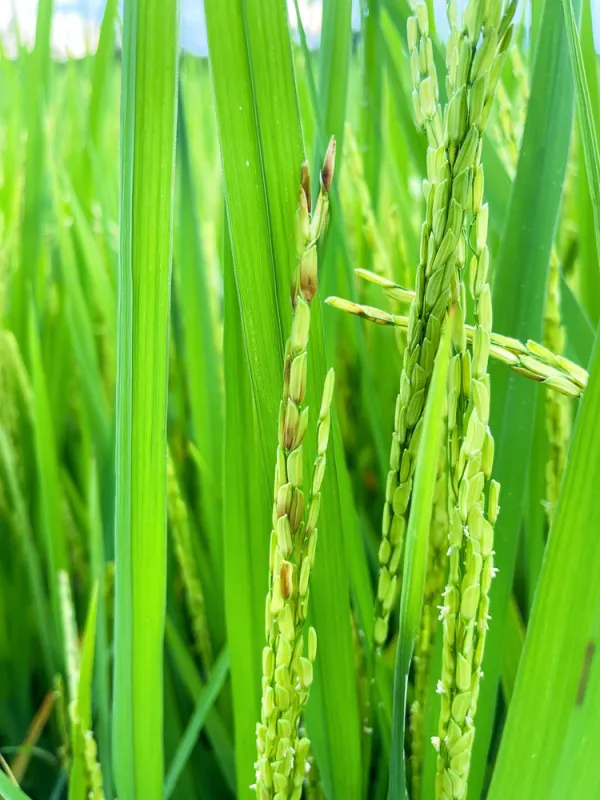
Description
How to identify
Rice Alternaria (Alternaria oryzae) is a microscopic filamentous fungus classified within the kingdom Fungi and the genus Alternaria. It acts as a specialized phytopathogen affecting rice cultivation globally.
The fungus is characterized by the production of dark, multicelluar, and septate conidia formed in long chains. These spores are specialized for dispersal, allowing the pathogen to spread efficiently within agroecosystems under favorable environmental conditions.
What it damages
The primary host for this pathogen is rice (Oryza sativa). It predominantly attacks leaves, leaf sheaths, and the panicle, leading to localized necrosis of plant tissues during the vegetative and reproductive growth stages.
In addition to physiological damage, the pathogen causes grain discoloration, commonly known as "pecky rice." This quality degradation significantly reduces the market value and milling yield of the harvested crop.
When it appears
The development of Alternaria oryzae is highly correlated with high humidity levels, ideally exceeding 80%, and temperatures ranging between 20°C and 28°C. Frequent rainfall during the heading stage promotes rapid infection.
The fungus survives between cropping seasons as mycelium or spores on infected crop debris and in the soil. Once conditions turn moist, the spores become active and initiate the infection process on newly emerging tissues.
Signs of infestation
Symptoms initially appear as small, oval-shaped brown spots on the leaves. As the disease progresses, these spots expand, often displaying concentric rings or target-like patterns that indicate the growth of the fungal mycelium.
Infected panicles show dark lesions, and grains may exhibit black or gray discoloration. Severely infested crops often show premature senescence, leading to thin and shriveled grains that fail to mature properly.
Control measures
Effective management strategies require a combination of cultural and chemical interventions. Starting with high-quality, certified seeds and applying effective fungicidal treatments significantly reduces the primary inoculum levels.
Proper water management and balanced fertilization are essential to maintain crop vigor, making the rice plants less susceptible to fungal penetration and disease development during the critical growth window.
- Crop rotation with non-host plants to reduce soil-borne pathogen populations.
- Removal and destruction of infected stubble and plant debris after harvest.
- Scheduled applications of effective fungicides during high-risk weather patterns.
Causes diseases · 1
Discussion
No discussions yet — be the first.