
Carnation Alternaria blight
Alternaria dianthicola
Description
How to identify
The causative agent of the disease is the fungus Alternaria dianthicola, which belongs to the kingdom Fungi. It is a filamentous pathogen characterized by dark, multicelled conidia.
The fungus survives in the soil and on infected plant debris, allowing it to persist across growing seasons and infect new plantings effectively.
Dissemination is facilitated by conidia that are easily transported by air currents, splashing water, and contaminated gardening tools or human activity.
The biological cycle starts with spore germination on the plant surface, followed by the penetration of hyphae into the plant tissue, where it starts feeding.
Molecular and microscopic analysis confirms its high specificity to dianthus species, making it a major concern for both commercial and home growers.
What it damages
Alternaria blight significantly affects the foliage, stems, and buds of carnations, leading to progressive tissue necrosis and overall plant decline.
The reduction in leaf surface area diminishes the plant's photosynthetic capacity, resulting in stunted growth and a significant decrease in flower production.
Infected stems often develop lesions that can girdle the plant, causing collapse or breakage of the flowering stems, rendering the product unsellable.
When the pathogen attacks the buds, it prevents proper blooming, causing them to dry up or rot, which leads to major economic losses for greenhouses.
Severe infestations can lead to total crop failure, especially in susceptible cultivars or under conditions that favor fungal proliferation.
When it appears
The disease typically flares up during periods of high humidity, particularly when temperatures reach the 20 to 25 degrees Celsius range.
Springtime conditions often trigger the primary infections as plants resume active growth and moisture levels remain elevated on leaf surfaces.
Summer rains and dew contribute to the rapid spread of spores, making it necessary to implement protective measures during rainy seasons.
In greenhouse environments, the disease can be active year-round if humidity is not strictly controlled and airflow remains restricted.
Autumn conditions with cooler temperatures and dampness allow the fungus to continue its cycle until the plant debris provides an overwintering site.
Signs of infestation
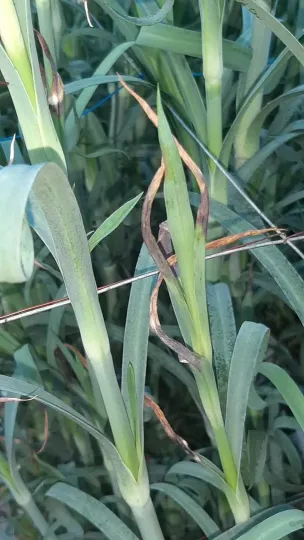
Initial symptoms include small, light-brown spots that emerge on the lower leaves, eventually expanding to show concentric ring patterns.
A distinctive velvety, olive-to-black fungal growth appears in the center of the lesions, representing the active spore production of the pathogen.
As the infection progresses, leaves turn yellow and eventually die, starting from the lower parts of the plant and moving upwards.
Stem lesions appear as elongated, darkened areas that can turn necrotic and lead to structural weakness in the affected stalks.
- Light-brown spots on lower leaves
- Concentric zonal patterns in lesions
- Velvety black fungal sporulation
- Bud blight and flower malformation
Control measures
Effective control requires strict sanitation, including the prompt removal and disposal of all infected plant materials to reduce the inoculum load.
Cultural practices such as drip irrigation and proper spacing are vital to keep the plant canopy dry and reduce the humidity levels that favor fungal growth.
Chemical control involving fungicides based on copper or modern systemic products should be applied as soon as the first symptoms are detected.
Maintaining proper greenhouse ventilation and hygiene is crucial to prevent the build-up of spores and the subsequent spread of the disease within the facility.
Selecting resistant cultivars and ensuring optimal plant nutrition can significantly enhance the host's natural defense against Alternaria dianthicola.
Causes diseases · 1
Discussion
No discussions yet — be the first.