
Alternaria leaf spot of carnation
Alternaria dianthi
Description
How to identify
Alternaria leaf spot of carnation is a fungal disease caused by Alternaria dianthi. This pathogen is a well-known destructive fungus that primarily affects members of the Dianthus genus in greenhouses and open fields.
The fungus propagates through dark, multicellular conidia. These spores are highly resilient and can withstand diverse environmental conditions, allowing the pathogen to persist in soil or on plant debris for extended periods.
The lifecycle of the fungus is characterized by rapid sporulation under high humidity and moderate temperatures. Wind currents and splashing water are the primary vectors for the spread of conidia from infected to healthy plant tissues.
Microscopic examination of affected areas reveals the presence of branched or solitary conidiophores bearing dark, septate conidia, which is the definitive characteristic for identifying Alternaria dianthi.
Temperature fluctuations and high relative humidity (above 85%) are the most critical environmental triggers that promote the rapid germination of spores and the subsequent development of necrotic lesions on the plants.
What it damages
The disease causes significant harm to commercial carnations (Dianthus caryophyllus). It attacks all parts of the plant, including leaves, stems, buds, and flowers, leading to both aesthetic and physiological degradation.
Leaf infection reduces the photosynthetic capacity of the plant, resulting in weak growth and reduced flower yields. Severe infections often lead to premature leaf drop and the death of individual shoots.
Stem lesions act as cankers that can girdle the stem, restricting the flow of water and nutrients. This often causes the drooping or total collapse of the stem, particularly in greenhouse-grown cut flower varieties.
Buds and flowers are particularly susceptible, as infection leads to unsightly dark spots and deformation. Such damage makes the flowers unmarketable, causing substantial economic losses for growers.
Persistent infestations can lead to a total decline in plant health, making the crop highly susceptible to secondary pathogens and reducing the overall lifespan of the plantation.
Signs of infestation
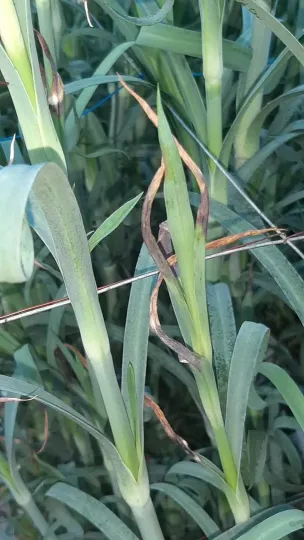
Initial symptoms consist of small, circular, light-green to grey spots on the foliage. As the disease progresses, these spots expand and turn dark brown, often developing characteristic concentric rings.
A yellow halo or chlorotic zone often surrounds the necrotic lesions, indicating that the fungus is spreading toxins throughout the surrounding plant tissues.
Under moist conditions, a dark, velvety or sooty mold-like growth appears on the surface of the lesions. This growth represents the massive production of spores by the fungus, which will eventually spread to neighboring plants.
- Brown necrotic spots with concentric circles.
- Deformed and blighted flower buds.
- Dark velvety fungal mats on lesions.
- Premature leaf yellowing and senescence.
Stems show elongated, sunken dark spots. If the infection reaches the base of the plant, it can lead to root and crown rot, resulting in the rapid wilting and eventual death of the entire plant.
Control measures
The primary control strategy involves good greenhouse sanitation. This includes removing and destroying infected plant debris, which serves as a major source of inoculum for subsequent crop cycles.
Managing humidity is crucial. Proper ventilation and airflow within the greenhouse help to keep leaf surfaces dry, effectively preventing spore germination and the establishment of new infections.
Fungicidal treatments are highly recommended. A rotation of products, including copper-based, triazoles, or strobilurins, should be applied according to local guidelines to prevent the development of resistant fungal strains.
Utilizing clean, disease-free planting material is essential for establishing a healthy crop. Pre-planting treatment of seeds or cuttings with fungicides can provide initial protection against early infection.
Monitoring the plantation regularly for the first signs of leaf spot is vital. Early detection allows for immediate localized action, preventing the disease from spreading throughout the entire facility.
Causes diseases · 1
Discussion
No discussions yet — be the first.