
Alternaria black spot
Alternaria brassicicola
Description
How to identify
Alternaria brassicicola is a necrotrophic fungal pathogen within the Fungi kingdom. It is the primary cause of black spot disease, affecting a wide range of crops within the Brassicaceae family.
The fungus propagates through multicellular conidia, which are easily dispersed by wind, rain splashes, and physical contact with equipment or insects, allowing for rapid field-wide outbreaks.
It acts as both a seed-borne and soil-borne pathogen, overwintering on infested plant debris, weeds, and within the embryo or seed coat of infected seeds.
Development is heavily dependent on environmental conditions, with the pathogen thriving in high humidity (above 90%) and moderate temperatures ranging from 20°C to 25°C.
The fungus employs specialized enzymes to degrade plant cell walls, leading to the necrotic lesions that characterize the infection process and allow the pathogen to colonize host tissues.
What it damages
This pathogen poses a significant threat to commercial crops including broccoli, cauliflower, cabbage, Brussels sprouts, canola, and various mustard cultivars.
Yield loss occurs through reduced photosynthetic capacity, stunted growth, and direct destruction of plant parts, including heads, pods, and seeds during the maturation phase.
Post-harvest damage is severe; affected produce often develops black, necrotic lesions during transport or storage, leading to substantial economic loss for growers.
In seed production, the pathogen compromises seed quality and germination rates, ensuring the perpetuation of the disease cycle in subsequent planting seasons.
In canola (oilseed rape) production, the infection causes premature pod shatter, causing seeds to drop before harvest, which significantly impacts total seed yield and oil content.
Signs of infestation
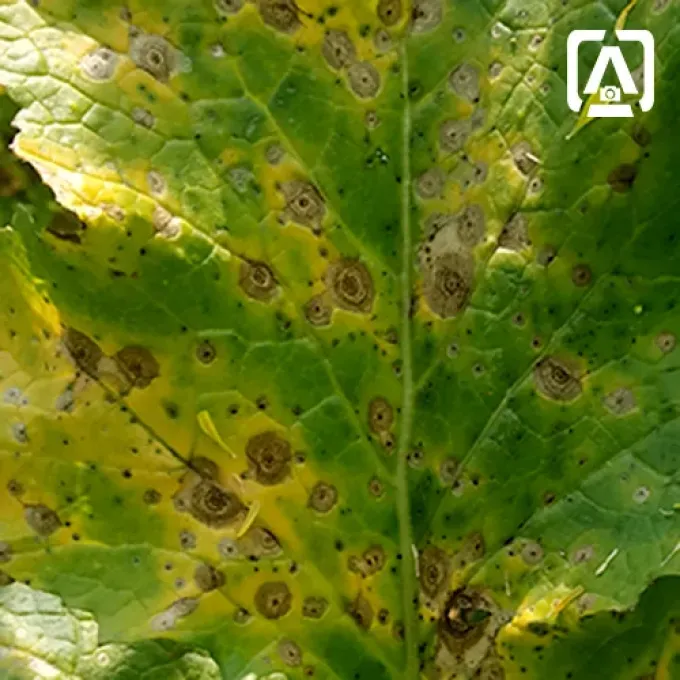
The most recognizable sign is the presence of small, dark circular spots on leaves, which typically develop a characteristic concentric zonation pattern.
As the disease progresses, these spots expand, often turning black or dark brown, and frequently become covered in a sooty, velvety mass of fungal spores.
Symptoms on pods appear as elongated, sunken, dark-colored lesions, which may eventually cause the pods to dry prematurely and split open.
In nursery settings, the pathogen causes "damping-off," where seedlings collapse and die, showing necrotic lesions on the stem near the soil line.
Advanced infections lead to widespread chlorosis and necrosis of the foliage, resulting in premature leaf drop and the overall weakening of the plant structure.
Control measures
Effective management begins with strict crop rotation, ensuring a gap of at least three to four years between planting susceptible Brassicaceae crops on the same land.
Farmers must prioritize the use of certified, fungicide-treated seeds to break the primary infection cycle and prevent early establishment of the disease in the field.
Good field sanitation is essential; removing or deep-ploughing crop residues effectively reduces the survival of the fungus in the soil and lowers the initial inoculum load.
- Applying systemic fungicides (e.g., strobilurins or triazoles) based on monitoring and weather forecasts.
- Ensuring adequate plant spacing to facilitate airflow and reduce leaf wetness duration.
- Controlling weeds that act as alternative hosts for the pathogen throughout the year.
- Monitoring fields during high-humidity periods, especially as plants reach the flowering stage.
Integrated pest management strategies focusing on resistant cultivars and optimized fertilization also contribute to reducing the impact of the disease on crop performance.
Causes diseases · 1
Discussion
No discussions yet — be the first.