
Alkaligenes
Alkaline and
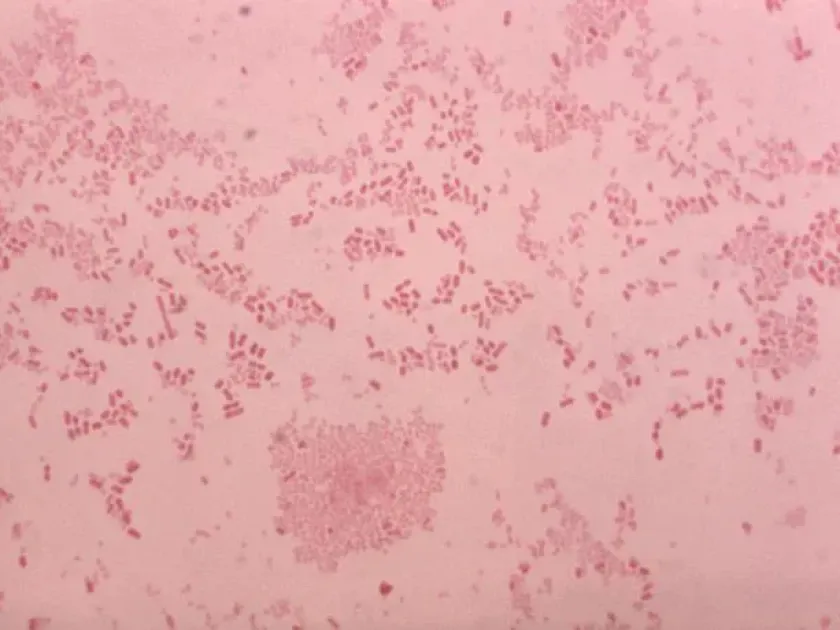
Description
How to identify
Alkaligenes is a genus of Gram-negative, aerobic, non-spore-forming bacteria that includes species like Alcaligenes faecalis, which can act as a phytopathogen in certain environments.
They are classified within the family Alcaligenaceae and are commonly found in soil and water habitats throughout the world, often existing as saprophytes.
The pathogenicity of these bacteria is opportunistic; they exploit wounds or weaknesses in the plant's structural integrity to colonize internal tissues and cause localized necrosis.
Laboratory isolation is usually performed on standard microbiological media, where the bacteria display specific growth patterns that distinguish them from other soil-borne bacteria.
Agronomists identify their presence through a combination of symptomatic observation in the field and subsequent confirmation by professional plant pathology diagnostics.
What it damages
These bacteria primarily affect various vegetable crops, including garlic, onions, and potatoes, causing them to decay rapidly through the enzymatic degradation of cell walls.
The damage is most severe during post-harvest storage, where high humidity and insufficient ventilation create an environment conducive to rapid bacterial multiplication.
In the field, infection can cause stem and root rot, which leads to stunted plant growth, wilting, and ultimately the death of the affected plant.
Seedlings are particularly vulnerable; infection during the germination stage often leads to pre-emergence damping-off and significant stand reduction.
The economic impact involves both yield loss during the growing season and substantial spoilage of stored produce, leading to decreased quality and marketability.
Signs of infestation
The hallmark of an infection is the development of soft, water-soaked lesions that spread rapidly across the plant's surface, leading to tissue maceration.
A foul-smelling odor is typically associated with the advanced stages of decay, caused by the release of volatile sulfur compounds during bacterial protein degradation.
The color of the decaying tissue transitions from translucent to dark brown, with a clear separation often visible between affected and unaffected areas.
Under humid conditions, a visible bacterial slime or exudate may form on the surface of the lesions, containing millions of viable bacterial cells.
If not contained, the entire organ or plant can disintegrate into a pulpy, foul-smelling mass, making it impossible to salvage or utilize the produce.
Control measures
Integrated pest management (IPM) is the most effective approach, starting with crop rotation to reduce the pathogen population density within the soil.
Proper sanitation is critical; storage facilities must be thoroughly cleaned and disinfected before the harvest is brought in for storage.
Harvesting should be conducted during dry weather to minimize mechanical wounding, and crops should be cured properly to form a protective surface barrier.
- Selection of resistant plant cultivars;
- Controlled environmental conditions in storage;
- Strict insect pest management to prevent entry wounds;
- Careful handling to avoid bruising during transportation.
While chemical control is limited, copper-based bactericides can be applied as a preventive measure in high-risk areas to protect the foliage and surface of plants.
Causes diseases · 1
Discussion
No discussions yet — be the first.