
Agropyron mosaic
Agropyron mosaic
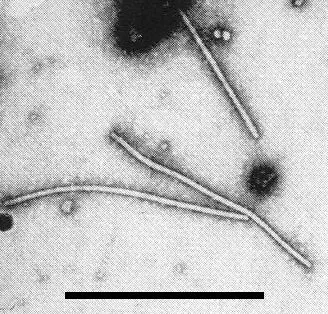
Description
How to identify
Agropyron mosaic virus (AgMV) is a viral plant pathogen belonging to the Potyvirus genus, known for infecting various grass species.
The virus consists of filamentous particles approximately 700 nm in length, which do not have a protective envelope, making them susceptible to environmental conditions.
It is taxonomically classified as a member of the Potyviridae family, sharing similar characteristics with other mosaic viruses affecting cereals.
Identification is primarily achieved through serological tests such as ELISA or molecular techniques like RT-PCR to confirm the presence of the pathogen.
The virus is naturally transmitted by the eriophyid mite Aceria tosichella, which is the primary vector for the disease in agricultural fields.
What it damages
The virus primarily affects wheat, barley, and rye, leading to reduced photosynthesis and weakened plant development.
It also infects a wide range of wild grass hosts, including species of Agropyron, which serve as long-term viral reservoirs.
Economic damage is caused by yield loss, stunted growth, and reduced grain quality, which significantly impacts the harvest outcome.
Early infections in young wheat crops can result in complete crop failure or a drastic reduction in tillering and plant vigor.
The presence of the virus also makes the host plants more susceptible to secondary fungal infections and environmental stressors.
When it appears
The spread of AgMV is seasonal and depends heavily on the life cycle and migration patterns of the vector mite, Aceria tosichella.
Autumn is a critical period for infection when the mites move from infested wild grasses to emerging winter cereal seedlings.
The disease cycle can continue into the spring when warmer temperatures increase mite activity, facilitating further secondary infections.
Environmental factors, such as dry and warm autumn weather, favor the survival and dispersal of mites, increasing the risk of virus outbreaks.
Incubation time within the plant varies, but characteristic symptoms usually manifest within 1–2 weeks after the initial transmission by mites.
Signs of infestation
Symptoms typically include mosaic patterns on leaves, characterized by alternating light green and yellow spots or streaks.
As the infection progresses, these patterns may develop into stripes that run parallel to the leaf veins, a common feature of potyvirus infections.
Severely infected plants often exhibit significant stunting and reduced height compared to healthy individuals in the same field.
Leaves may turn yellow and wither prematurely, leading to a general decline in the plant's health and metabolic functions.
Seed heads are often malformed, and grains can be shriveled or underdeveloped, which reduces the overall test weight of the harvested crop.
Control measures
Management strategies focus on breaking the disease cycle by eliminating reservoir hosts like quackgrass (Elymus repens) near fields.
Spatial isolation between different cereal crops helps prevent the mite vector from migrating between fields during the season.
Selecting and planting virus-resistant cultivars remains the most reliable and sustainable method for mitigating AgMV damage.
Adjusting planting dates to minimize the overlap between the peak mite population activity and the most vulnerable seedling stage is highly recommended.
- Application of acaricides to control mite vector populations in high-risk areas.
- Effective weed control on field margins to eliminate virus sources.
- Implementation of crop rotation to prevent the buildup of inoculum in the field.
Causes diseases · 1
Discussion
No discussions yet — be the first.