
Acrosporium monilioides
Acrosporium monilioides
Description
How to identify
Acrosporium monilioides is a fungal pathogen classified within the Erysiphales order, commonly known as an agent of powdery mildew. It is an obligate parasite, meaning it requires living host tissue to complete its life cycle.
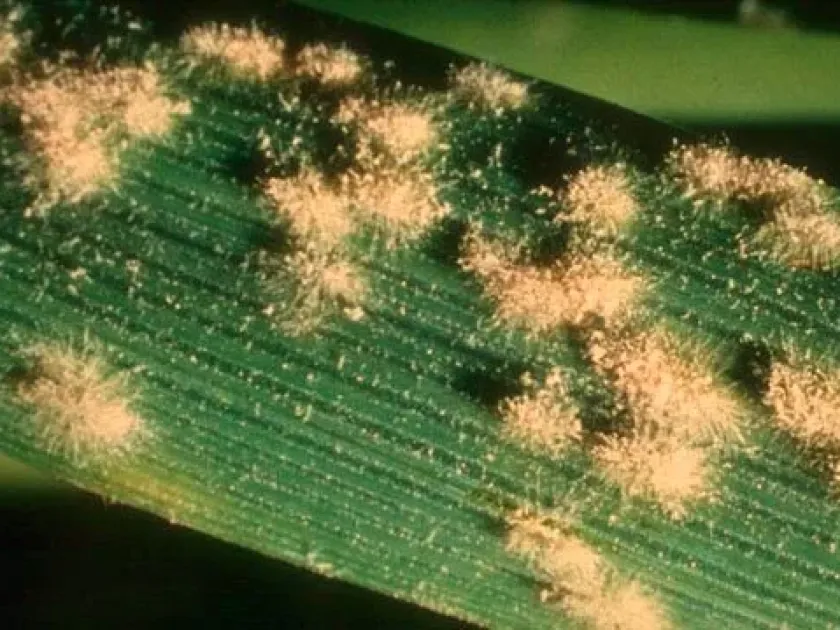
The fungus is characterized by the formation of white, mycelial mats on the surfaces of host plants. The genus Acrosporium (often treated as an asexual stage of Erysiphe) produces conidia in chains, which gives it a beaded appearance under magnification.
This pathogen reproduces asexually through conidia, which are easily dispersed by wind, allowing it to colonize new plant surfaces rapidly during the growing season.
It overwinters in the form of dormant mycelium or as cleistothecia, which are small, dark fruiting bodies that can survive on dead plant material and debris until favorable conditions return.
Laboratory diagnosis usually involves examining the conidial chains and conidiophore structure to distinguish this species from other related powdery mildew fungi.
What it damages
The fungus primarily attacks a wide range of herbaceous plants, particularly those in the Asteraceae family. It extracts nutrients directly from epidermal cells, causing significant stress to the host plant.
As the mycelium spreads, it inhibits photosynthesis by physically covering the leaf surface and damaging the underlying cells, which leads to reduced plant vigor and stunted growth.
Severe infections result in leaf curling, yellowing (chlorosis), and premature necrosis of plant tissues, ultimately reducing the quality and yield of crops or decorative plants.
When the pathogen infects young shoots and buds, it can cause malformations, preventing the plant from producing healthy flowers or fruits.
The weakened state of the host plant also makes it more susceptible to secondary infections by other opportunistic pathogens and environmental stressors like heat or drought.
When it appears
Development typically occurs from late spring through summer, favored by warm temperatures, generally ranging from 18°C to 25°C, and moderate to high humidity.
While the pathogen can thrive in various climates, it is particularly active during periods with morning dews or frequent, light rainfall that increases the ambient humidity around the canopy.
In greenhouse settings, Acrosporium monilioides can persist year-round if ventilation is poor and humidity levels are consistently high, creating a constant disease pressure.
Dry and very hot conditions may temporarily slow down the growth of the mycelium, but the fungus remains viable in its dormant state, ready to resume infection once conditions improve.
The cycle of infection is continuous during the growing season, with new generations of conidia being produced every few days, leading to rapid spread within a crop field.
Signs of infestation
The most distinctive symptom is the appearance of white, powdery, or flour-like spots on the foliage, stems, and sometimes floral parts of the infected plants.
As the infection progresses, these white patches become denser and may turn a grayish or brownish color, especially as the fungus prepares for the sexual reproduction phase.
Chlorotic spots often appear beneath the white fungal mats, signaling the death of host cells as the fungus continues to deplete the plant of its resources.
Leaves may become twisted, distorted, or brittle, and in advanced stages, the infected plant parts may dry out and fall off prematurely.
Small, dark, pinhead-sized dots (cleistothecia) may emerge within the white mycelium as the season progresses, which is a clear sign of the pathogen maturing for overwintering.
Control measures
Effective management begins with strict sanitation, including the removal and destruction of infected plant debris to reduce the initial inoculum load in the field.
Improving air circulation through proper plant spacing and pruning helps lower the humidity around the foliage, making the environment less favorable for fungal germination.
Chemical control involving fungicides, such as those from the triazole or strobilurin classes, is highly effective when applied preventatively or at the first signs of disease.
Biological control agents, including certain beneficial fungi or bacteria, can be integrated into a pest management program to suppress the growth of the pathogen.
Monitoring for early symptoms is crucial to controlling the spread; once the disease is established, frequent scouting and targeted fungicide applications are necessary to protect the harvest.
Causes diseases · 1
Discussion
No discussions yet — be the first.