
Acremonium apii
Acremonium apii
Description
How to identify
Acremonium apii is a fungal plant pathogen that belongs to the kingdom Fungi and the phylum Ascomycota. It is recognized as a specific parasite affecting plants of the Apiaceae family, particularly celery.
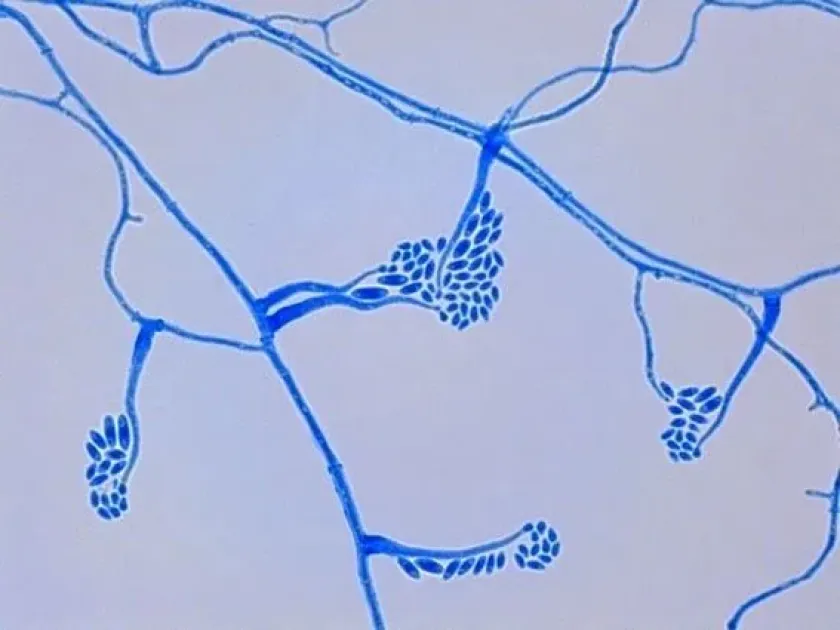
This fungus is characterized by the production of septate mycelium and hyaline conidia, which are responsible for the secondary spread of the infection within the field.
The organism is considered a soil-borne pathogen capable of overwintering on infested crop debris, making it a persistent challenge in areas with continuous vegetable cultivation.
Under laboratory conditions, the fungus exhibits slow growth on standard media, forming colonies that typically display a white or pale appearance, which is common for the genus Acremonium.
Accurate identification usually involves microscopic examination of the conidiophores and molecular assays to differentiate it from other species of fungi causing similar foliar symptoms.
What it damages
The primary host for this pathogen is celery (Apium graveolens), including both leaf and stalk varieties, as well as celeriac.
The infection targets the foliage and petioles, resulting in necrotic spots that disrupt the normal metabolic processes of the plant, such as photosynthesis.
Severe infestations can lead to the structural weakening of the petioles, rendering the stalks aesthetically unappealing and non-marketable for fresh consumption.
In addition to cosmetic damage, the pathogen causes a reduction in total plant biomass and suppresses the overall development of the root system in celeriac cultivars.
The disease can significantly reduce yield quality in both greenhouse and open-field production systems, especially under favorable conditions for fungal growth.
Signs of infestation
Symptoms initially appear as small chlorotic lesions on the leaves, which gradually enlarge and turn brown or dark necrotic spots, often surrounded by a yellow halo.
On the stalks, the pathogen causes elongated, sunken lesions that can penetrate deep into the tissue and compromise the integrity of the celery stem.
In high-humidity environments, a thin, whitish fungal growth consisting of conidial masses may become visible on the surface of the affected plant tissues.
As the infection progresses, leaves may become chlorotic and wither prematurely, leading to a significant reduction in the photosynthetic capacity of the entire plant.
- Chlorotic spots on foliage.
- Brown necrotic lesions on petioles.
- Whitish fungal sporulation during wet weather.
- Premature leaf senescence and wilting.
Control measures
Cultural practices are the most critical component of management, starting with long-term crop rotation to minimize the inoculum levels in the soil.
Sanitation is vital; all infested crop residues must be removed and destroyed or buried deeply to prevent the fungus from surviving until the next growing season.
The use of certified, pathogen-free seeds is recommended, combined with appropriate seed treatments to protect seedlings during the early stages of development.
Managing irrigation frequency and promoting good soil drainage help to reduce the humidity levels that are necessary for the rapid spread of fungal spores.
Chemical control involving fungicides may be utilized when environmental conditions favor disease outbreaks, focusing on preventive applications during the peak growth period.
Discussion
No discussions yet — be the first.