
Acremonium
Acremonium
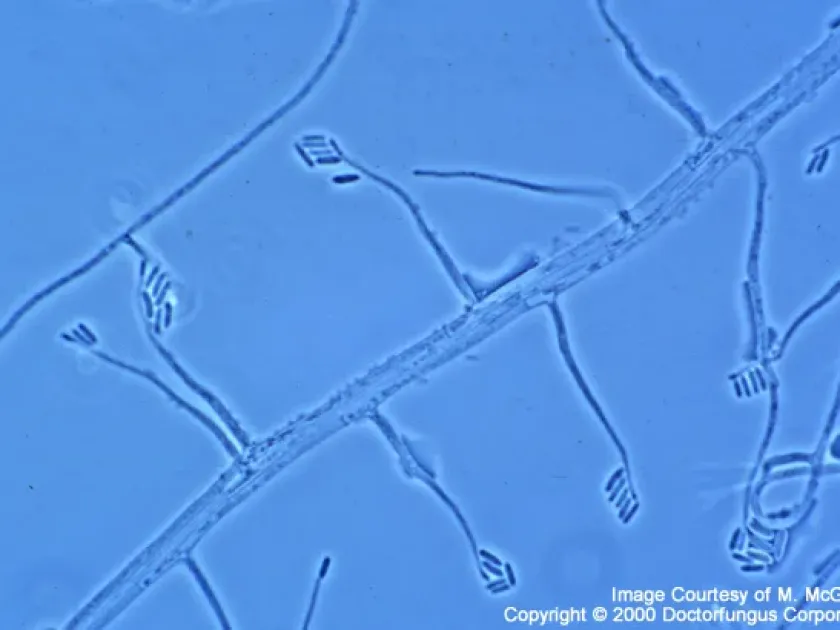
Description
How to identify
Acremonium is a genus of anamorphic fungi (Deuteromycetes) belonging to the phylum Ascomycota. These are widely distributed microorganisms found in soil and on decaying plant material, capable of both saprotrophic and parasitic lifestyles.
The genus is morphologically characterized by slender, hyaline hyphae and solitary, needle-like or short phialides. Conidia (spores) typically cluster in heads at the tips of the phialides, which serves as a vital diagnostic feature during microscopic examination.
In phytopathology, many Acremonium species are considered opportunistic pathogens capable of infecting weakened plants by entering through mechanical wounds or the root system.
Systematically, this genus is closely related to fungi of the genera Fusarium and Cephalosporium, often complicating accurate species identification without molecular genetic analysis.
It is important to distinguish between endophytic strains of Acremonium, which can benefit grasses by increasing stress tolerance, and pathogenic species that cause systemic vascular diseases.
What it damages
The primary hosts of Acremonium are cereal crops, including wheat, barley, and maize, as well as several vegetable and industrial crops. The pathogen typically affects roots, stems, and the vascular bundles of the plant.
In infected plants, the fungus often clogs the xylem, disrupting the normal transport of water and nutrients from the roots to the aerial parts of the plant. This leads to the development of cephalosporiosis, a serious systemic disease.
Damage manifests as significant reductions in crop productivity, shriveled grain, and premature senescence of leaves, ultimately leading to lower field yields.
Beyond direct damage, Acremonium is often part of the soil-borne fungal complex causing root rots, acting synergistically with other pathogens to weaken plant health.
Infection with this fungus renders plants more susceptible to environmental stressors and secondary infections, significantly compromising the plant's natural immune response.
When it appears
Pathogen development is most active during periods of high soil moisture and moderate temperatures. The infection persists in plant debris within the soil or can be transmitted via contaminated seeds.
Active seedling infection occurs primarily in early spring, when vulnerable young plants struggle to resist the invasion of spores present in the soil substrate.
Throughout the growing season, fungal spores can spread through rain splashes, wind, or insect vectors, which contributes to secondary infection of leaves and stems.
Favorable conditions for epiphytotics often occur during seasons with prolonged rainfall during the tillering and jointing stages of cereals, which facilitates the establishment of infection within the vascular system.
By the end of the season, the pathogen enters a dormant state, producing conidia that can remain viable for extended periods in harsh environmental conditions.
Signs of infestation
A key sign is the yellowing and rolling of leaves, starting from the lower canopy, which often mimics symptoms of nutrient deficiency or drought stress.
A characteristic symptom is vascular discoloration: cross-sections of stems or roots reveal browning of the conducting tissues, indicating impaired transport of nutrients.
Some crops exhibit stunted growth, dwarfism, and premature maturation, leading to the formation of poorly developed ears or fruit.
- Yellowing of leaf margins.
- Browning of vascular bundles in stem cross-sections.
- Wilting of individual shoots or the entire plant.
- Appearance of sporulation mold under high humidity.
Root infection leads to decay, softening of tissues, and loss of structural anchorage, which often results in lodging of the crop.
Control measures
Effective control is based on rigorous crop rotation practices that avoid the continuous monoculture of cereals, which serve as the primary hosts for the pathogen.
A crucial step is pre-sowing seed treatment with high-quality systemic fungicidal dressings, which suppress fungal development during the early growth stages.
Agronomic practices such as deep incorporation of crop residues and the use of resistant cultivars significantly reduce the overall infectious pressure in the field.
Maintaining balanced mineral nutrition, particularly the application of potassium fertilizers, improves the plant's resistance to the penetration of fungal spores.
If infection foci are detected during the growing season, the application of triazole or benzimidazole-based fungicides is recommended for both curative and preventive control.
Discussion
No discussions yet — be the first.