

SKU #50961
·
45 views
Tomato PERSI
Tomato
Евро-СеменаUser rating
0 votes0% positive reviews
No ratings yet — be the first.
Product Type
Seeds; Seed material
Plant Type
Determinant
Maturation Period
90-100 days
Fruit Weight
100-150 grams, More than 200 grams
Prices in stores
from135 €per 1000 seeds
pack from 0.11 € per 25 pcs
3 offers from 2 stores
Store offers · 3 from 2 stores
Prices are updated on loadLoading offers…
Available at: Добродар · Zebix
Aggregator catalog: prices are collected automatically from store websites, normalized by AI and converted at the current exchange rate. Before ordering, confirm the price and availability on the store's website. This block is not indexed by search engines — the data is loaded after the page opens.
About product

Tomato Persae — a mid-early determinate variety, distinguished by high yield and resistance to various diseases. The plant is low-growing, typically reaching a height of 50–60 cm, with a robust and well-leafed bush. The fruiting period ranges from 95 to 115 days after emergence, enabling harvest within relatively short timeframes. The variety is suitable for cultivation both in open ground and in…
Product Type
Seeds; Seed material
Plant Type
Determinant
Maturation Period
90-100 days
Fruit Weight
100-150 grams, More than 200 grams
Description
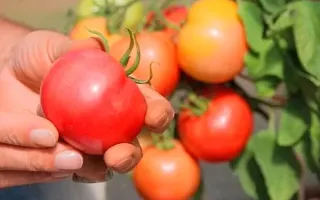
Tomato Persae — a mid-early determinate variety, distinguished by high yield and resistance to various diseases. The plant is low-growing, typically reaching a height of 50–60 cm, with a robust and well-leafed bush. The fruiting period ranges from 95 to 115 days after emergence, enabling harvest within relatively short timeframes. The variety is suitable for cultivation both in open ground and in plastic greenhouses, and can be grown using either seedling or direct sowing methods.
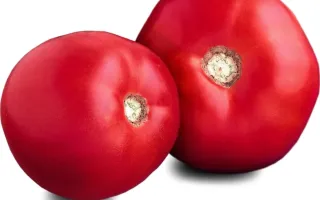
The fruits of tomato Persae have a round or slightly flattened shape, a vibrant deep red color, and an average weight of 100–180 grams, which can reach up to 250 grams under good care. The flesh is juicy, with a pleasant sweet flavor and a mild acidity, making them ideal for fresh consumption, salad preparation, canning, as well as processing into juices and sauces. The fruits exhibit good transportability and durability, allowing them to be transported over long distances without loss of quality.
Variety Persae possesses high resistance to a range of diseases, including tobacco mosaic virus, alternaria, anthracnose, fusarium, phytophthora, tip rot, and cladosporiosis. Additionally, the tomato is heat-tolerant, making it suitable for cultivation under various climatic conditions. Yield reaches 6–10 kg per square meter under proper care, making it a profitable choice for both amateur and commercial cultivation.
The fruits of tomato Persae have a round or slightly flattened shape, a vibrant deep red color, and an average weight of 100–180 grams, which can reach up to 250 grams under good care. The flesh is juicy, with a pleasant sweet flavor and a mild acidity, making them ideal for fresh consumption, salad preparation, canning, as well as processing into juices and sauces. The fruits exhibit good transportability and durability, allowing them to be transported over long distances without loss of quality.
Variety Persae possesses high resistance to a range of diseases, including tobacco mosaic virus, alternaria, anthracnose, fusarium, phytophthora, tip rot, and cladosporiosis. Additionally, the tomato is heat-tolerant, making it suitable for cultivation under various climatic conditions. Yield reaches 6–10 kg per square meter under proper care, making it a profitable choice for both amateur and commercial cultivation.
Video · 1 video
Suggest a video →Crop & resistance
Crop
Specifications hover over for a hint about the specification
| Product Type | |
|---|---|
| Plant Type | |
|
Maturation Period
Maturation Period
Vegetation period from emergence to technical maturity 30-50 days. |
90-100 days |
|
Fruit Weight
Fruit Weight
Tomato fruits are classified by weight as: very small — less than 20 grams; small — 20 — 50 grams; medium — 50 — 100 grams; large — 100 — 200 grams; very large — more than 200 grams. |
100-150 grams, More than 200 grams |
|
Fruit Shape
Fruit Shape
Modern tomato varieties have a diverse fruit shape: flat, flat-round, round, oval, elongated-oval, pear-shaped, plum-shaped, cube-shaped, and cylindrical. On poorly fertile soils and under unfavorable growing conditions, tomato fruits may take on a more rounded shape. |
|
|
Fruit Color
Fruit Color
The fruit color of tomato varieties is influenced by the combination of skin and flesh color. Some varieties have transparent skin, others — yellow. When combined differently, the fruits can acquire quite diverse colors. The fruit color is affected by pigments (lycopene) and thei... |
|
| Transportability | |
|
Yield
Yield
Overall bulb harvest per unit area. Depends on both onion variety characteristics and agronomic practices, fertilizers, and irrigation. Under optimal growing conditions, an onion yield of 100 tons per hectare and above is not considered record-breaking. |
70-100 tons |
| Registration year | 2013 |
| Catalog | Catalog → Tomato |
| Manufacturer | Евро-Семена |
| Legal data |
Show · 2
|
| Country | Russia |
Not yet комментариев. Be the first!
Alternatives
Tomato seeds · similar varieties







See also
Often considered together with this variety




Recently viewed
Products you’ve viewed on this site
Reviews · 0