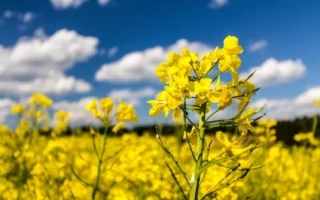
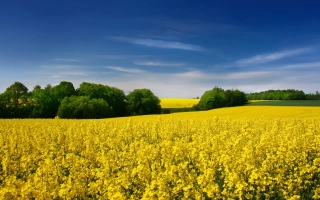
ORC 10 is a rapeseed variety used as green manure (cover crop), feed, and a honey-producing plant. It is valued for its ability to quickly regrow and accumulate significant green biomass, especially during cold autumn and spring periods. Sown in late summer, rapeseed forms abundant green biomass during the fall and spring, which can be cut for transplants of tomatoes, peppers, eggplants, and other crops. After decomposition in the soil, the rapeseed biomass turns into easily accessible fertilizer, enriching the soil with organic matter and humus, as well as increasing phosphorus and sulfur content. ORC 10 effectively absorbs nutrients from the upper soil layers, preventing their leaching into lower horizons. Although its nitrogen content is lower than that of legume cover crops, it plays an important role in improving soil structure and maintaining its fertility. Winter rapeseed helps retain snow, reducing soil freezing and promoting moisture accumulation, which is especially important for subsequent sowing. Additionally, the essential oils contained in all parts of the plant have a preventive effect against pests and diseases such as wireworms and rhizoctonia. ORC 10 is widely used in agriculture to increase soil fertility and protect plants. Its biomass serves as natural fertilizer, and the properties of the culture help retain moisture and improve soil microclimate. Thanks to its unique characteristics, rapeseed ORC 10 is an effective component of crop rotation and contributes to the sustainable development of agroecosystems.