Viburnum 'Rubina' – a medium-sized shrub with a rounded crown, reaching a height of up to 4 m and a width of 1–2 m. It begins bearing fruit within the first two to three years, after which fruiting becomes regular and stable. The plant is characterized by high resistance to diseases, pests, frost (down to -30 °C), and drought, making it suitable for a wide range of climate zones.
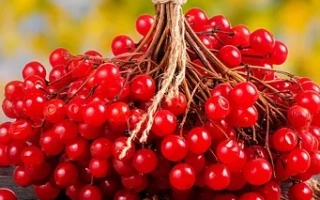
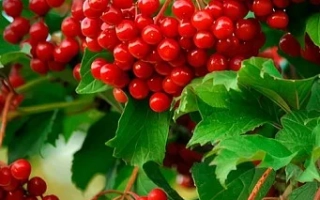
The variety's berries have a bright ruby-red color, an average size of 0.5–0.7 g, firm flesh with a slight bitterness and a sweet aftertaste. They contain about 43% vitamin C and 720 mg/100 g of vitamin P, as well as 9% sugars and 1.13% acids, making them a valuable source of nutrients. Yield reaches 8–11 kg per bush, and under more favorable conditions can reach 18 t/h.
For successful cultivation, it is recommended to plant the plants on a sunny or semi-shaded site, using ordinary soil of medium quality or chernozem. The distance between plantings is 3–4 m, and the height of two-year-old seedlings is 30–40 cm. When planting, it is useful to add Kornevin to improve establishment and fertilizers (e.g., Osmocote) for growth stimulation. Regular care includes pruning after flowering, protection from diseases using biopreparations, and preventive pest treatment.
Viburnum 'Rubina' not only decoratively attracts with its flowering in spring and autumn periods but also provides a rich harvest of berries suitable for fresh consumption, making compotes, jams, and preserves. Thanks to its resilience and high nutritional value, it becomes a popular choice for both private gardens and small commercial plantations.