
New Rules for Small Farms in Rural Areas: Moldova Approves Regulations for Livestock Breeders
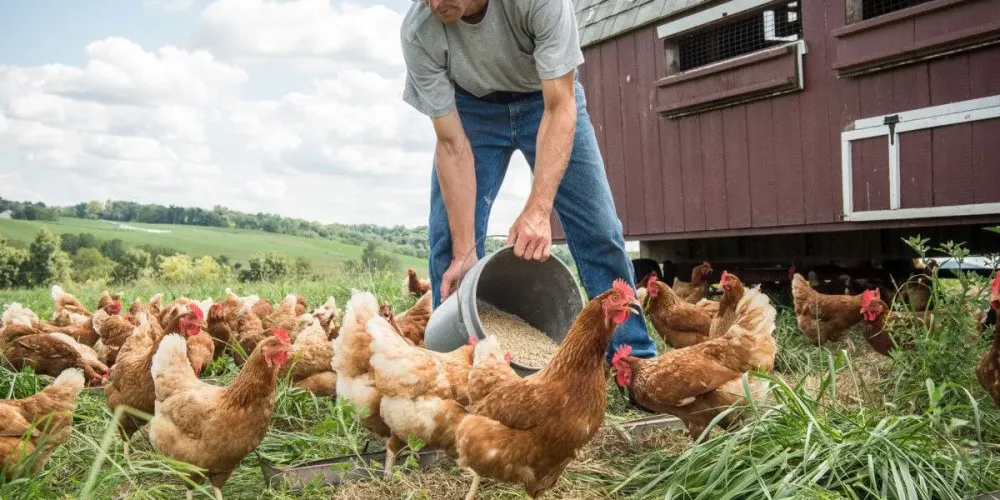
The activities of small-scale farming households in rural settlements will be permitted subject to specific conditions aimed at protecting public health and the environment, as well as ensuring animal welfare. A bill regulating these conditions was adopted by the parliament in its second reading.
According to the document, the placement of livestock farms, with the exception of non-professional ones, within rural settlements may be permitted based on a reasoned decision by the local council, provided certain requirements are met. These include compliance with urban planning documentation, adherence to sanitary zones, and environmental protection regulations.
The new rules also mandate proper waste management to prevent pollution and limit emissions, unpleasant odors, and noise. The local council's draft decision will be submitted for public debate, and property owners and residents living within the enterprise's sanitary protection zone will be officially notified.
It is emphasized that the local council's decision does not replace the permissive documents required by law, and the enterprise's operations may only commence after all necessary official permits are obtained from relevant authorities.
The document also sets maximum limits on the number of animals that can be raised on such farms depending on the species. Specifically, a single farm may house up to 150 adult sheep or goats and their offspring; 30 equines (horses, donkeys, or mules); 30 adult heads of cattle and their descendants; 5,000 quails or pigeons; 3,000 rabbits or poultry; and up to 100 bee families.
Additionally, the legislative project introduces amendments to the Law on Sanitary-Veterinary Activity, aimed at improving regulatory oversight and overall standards in the agricultural sector.
Not yet comments. Be the first!
Comments