
USDA Reopens Arizona Livestock Port to Mexican Cattle Amid Screwworm Control Efforts
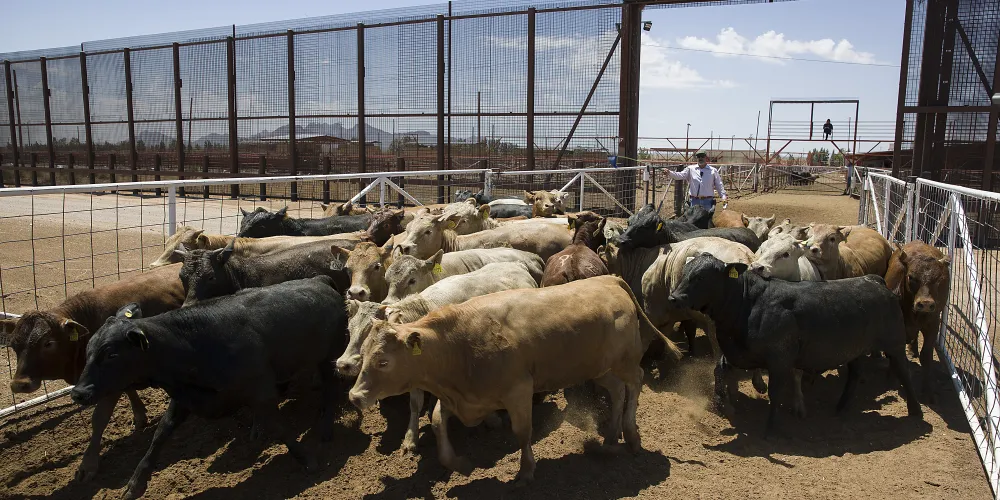
The United States Department of Agriculture (USDA) has officially announced the reopening of its first southern border livestock port for the entry of Mexican cattle. The facility in Douglas, Arizona, is scheduled to resume operations on August 24, 2026. This decision marks the end of a border closure that has been in place for approximately one year, significantly impacting supply chains within the American beef industry.
This measure comes while the spread of the dangerous parasite known as the New World screwworm remains under strict scrutiny. Currently, the number of confirmed cases of the parasite in livestock across Texas and New Mexico stands at 45. Federal officials view the reopening of the port as a significant signal that the parasite’s northward expansion has been slowed rather than stopped entirely.
The import of Mexican feeder cattle is a critical component for the American beef production sector. The prolonged border closure created severe challenges for livestock producers and processing facilities dependent on these imports. Reopening the Arizona port is expected to help alleviate the stress on the logistics chain, facilitating the flow of cattle necessary to address supply shortages.
Authorities emphasize that the decision is a calculated move that balances economic necessity with biosecurity requirements. The USDA continues to monitor the epidemiological situation in border regions. Officials maintain that despite the resumption of imports, veterinary inspection protocols at the border remain as stringent as possible to prevent any further spread of the screwworm.
In the coming period, veterinary services will focus on thorough inspections of arriving cattle shipments to ensure the situation remains contained. Although the number of confirmed parasite detections has stabilized at 45, the threat to livestock continues. Nevertheless, the reopening of the port in Douglas provides the market with optimism for a restoration of normal trade volumes ahead of the fall season.
Not yet comments. Be the first!
Comments · 0