
Scientists transform sheep’s wool into a revolutionary bone regeneration material
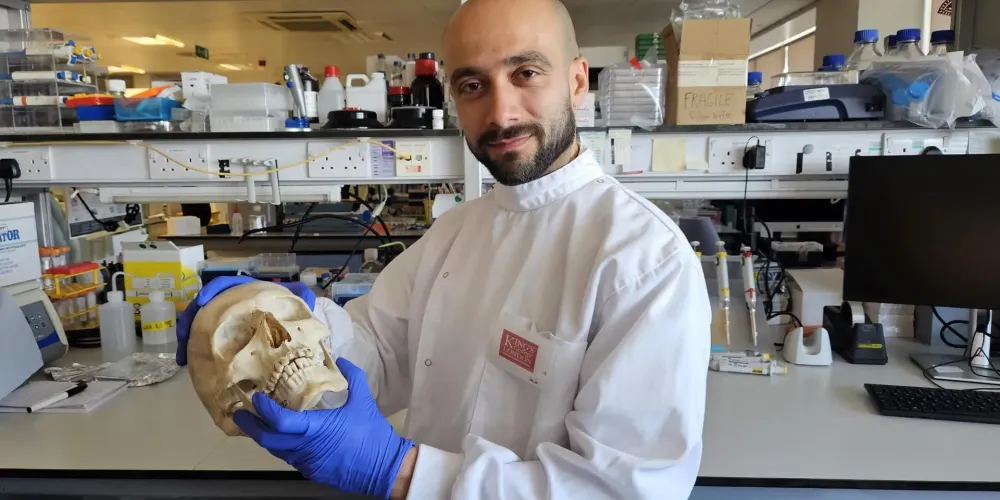
A team of researchers at King's College London has achieved a significant milestone in regenerative medicine by repurposing sheep's wool for bone repair. According to the study published on August 12, 2026, the team focused on extracting keratin, a natural structural protein, to create specialized scaffolds. These materials have demonstrated superior performance in directing new bone growth compared to collagen, which has long served as the industry's gold standard.
Dr. Sherif Elsharkawy, from the Faculty of Dentistry, Oral & Craniofacial Sciences, noted that the wool-based material offers a unique combination of stability and biological compatibility. In lab settings, the team chemically treated the keratin to produce durable membranes that support cell growth. Beyond its medical potential, the use of wool is a major sustainability win, as it utilizes an abundant agricultural byproduct that is frequently discarded by the farming industry, turning waste into a scalable medical resource.
In animal testing, researchers implanted these keratin membranes into rats suffering from large skull defects that would otherwise not heal naturally. The results were compelling: while collagen-based methods might generate more overall bone mass, the keratin scaffolds produced tissue that was far more organized and structurally sound. The fibers within the new bone aligned in a way that mimicked natural healthy bone, showing better mechanical integrity.
The research highlights critical shortcomings in current treatments. Collagen is often too weak or degrades too rapidly to be effective in areas requiring weight-bearing capacity. Moreover, the extraction of medical-grade collagen is a costly and complex process. Keratin membranes, by contrast, remained stable throughout the healing phase and integrated seamlessly with surrounding tissues, suggesting a higher potential for successful clinical implementation in human surgery.
Reflecting on the findings, Dr. Elsharkawy emphasized that the successful demonstration of this technology in a living biological system moves the material from a conceptual phase to a practical medical solution. This breakthrough potentially positions keratin as a new class of regenerative biomaterial capable of challenging the reliance on traditional collagen scaffolds and providing a highly effective, sustainable path toward repairing damaged skeletal systems.
Not yet comments. Be the first!
Comments · 0