
Donald Trump unveils 'Great American Beef' plan amid screwworm crisis
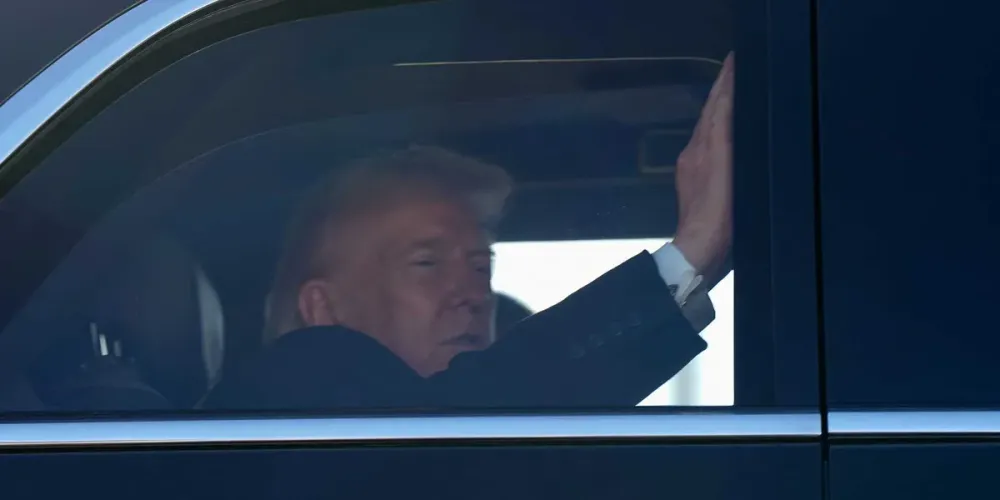
President Donald Trump has officially announced a new deal aimed at curbing the soaring prices of beef within the United States. Over the next 90 days, the U.S. will allow for the import of up to 300,000 metric tons of ground beef, an amount equivalent to over 2.6 billion quarter-pound hamburgers. The administration confirmed that this initiative will proceed with zero out-of-quota tariffs during this three-month window.
Trump stated that the move is necessary to help rebuild the American cattle herd, which he claims has shrunk to its smallest size in modern history. Writing on Truth Social, the President noted that a commitment has been secured to ensure this imported beef is sold at 25 percent below current market prices. The policy is intended to provide immediate relief to consumers while giving the domestic industry space to recover.
Market conditions have been significantly strained by a severe cattle shortage. This crisis has been worsened by an outbreak of screwworms, which have devastated livestock in states like Texas. Critics of the current administration have pointed to the cancellation of USAID-funded screwworm monitoring programs, previously operated in partnership with the UN Food and Agriculture Organization, as a contributing factor to the current agricultural crisis.
This is not the first time a U.S. president has intervened in meat pricing. In 1972, President Richard Nixon issued a similar directive to combat rising food costs. However, Trump’s plan is distinct due to the specific, communicated commitment regarding retail price reductions, representing a direct attempt by the executive branch to influence market rates.
Despite the controversy surrounding the decision, the administration remains confident that the intervention will stabilize the beef market. As American ranchers face the double burden of a biological threat and the need for herd recovery, the mass influx of foreign-sourced meat is designed to serve as a temporary stabilization measure. The market will now wait to see if the price-cap commitment will actually result in lower costs for American families at the grocery store.
Not yet comments. Be the first!
Comments · 0