
Why central Alberta ranchers are passing up free roadside pasture to feed their cattle
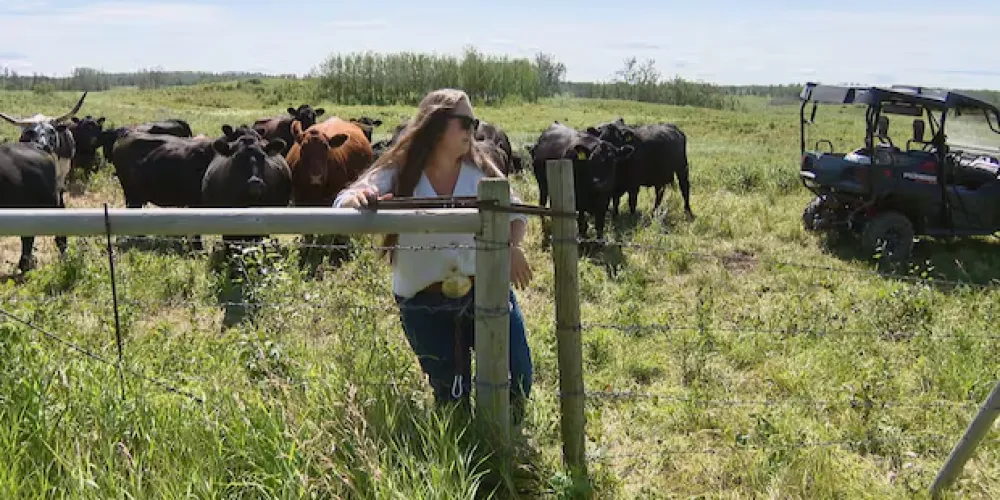
In central Alberta, a municipal program in Red Deer County has long offered ranchers the chance to graze cattle in roadside ditches to supplement feed during drought-stricken periods. While the program is intended to act as a safety net for farmers struggling with dry pastures, it has seen almost no participation in recent years. Despite the county council repeatedly approving the program to help manage feed shortages, the ditches remain largely empty.
Jordon Smith, assistant agricultural services manager for Red Deer County, explains that the program is reviewed annually and has been renewed in four of the last five years due to dry weather. However, uptake is extremely low: only one producer applied in 2023, and one in 2024. While the county typically receives about ten inquiries annually, most of these fail to progress as farmers decide the effort isn't worth it once moisture conditions improve slightly or they find alternative solutions.
The reluctance stems from the high administrative and operational barriers imposed by the county. Producers are required to hold $5 million in liability insurance, provide their own temporary fencing, and restrict grazing strictly to daylight hours. The requirement to bring cattle in every night represents a major labor and logistical burden, which many ranch owners describe as impractical. The extra man-hours required to manage cattle daily at roadside locations simply do not offset the value of the grass gained.
Local ranchers, such as John Fuchs, who owns about 30 head of cattle, state that the logistical challenges of working near high-traffic roads make the program more of a "pain in the neck" than a genuine solution. Nikki Olson, a producer managing 50 head of cattle, notes that the behavioral challenge of moving cows from fresh, green roadside grass back to sparse, depleted pastures is an exhausting, time-consuming process that often leads to cattle resistance and frustration for the rancher.
Producers have suggested that the county could improve the program by offering incentives, such as providing rental units for portable fencing. However, until such support is provided, many ranchers prefer to rely on alternative methods. Roadside haying—where farmers mechanically cut ditch grass for feed—remains the preferred choice, as it eliminates the safety risks associated with livestock being on the roadside and removes the complex liability insurance requirements involved in keeping animals on public land.
Not yet comments. Be the first!
Comments · 0