
NDRI, G B Pant University produce first Badri cattle calf using IVF technology
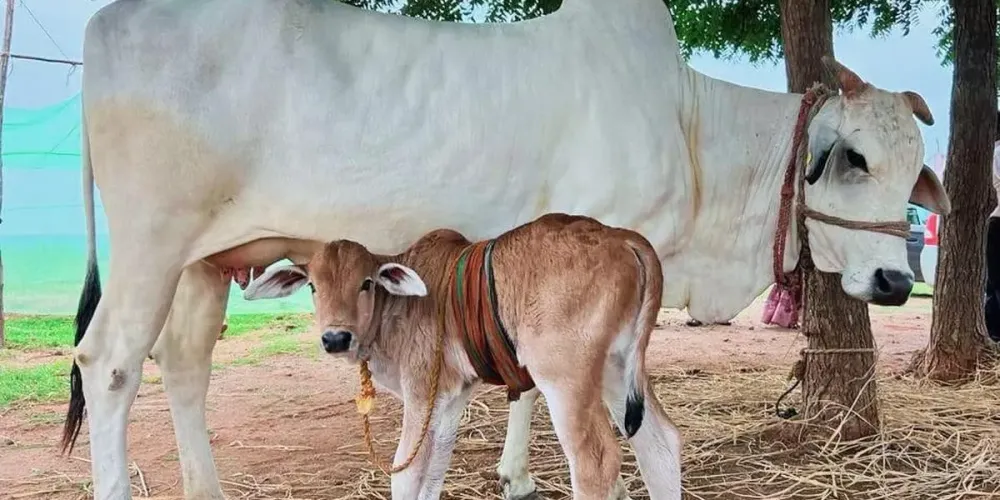
Scientists at the Karnal-based National Dairy Research Institute (NDRI) under ICAR, in collaboration with the Pantnagar-based G B Pant University of Agriculture and Technology, have successfully produced a healthy female calf of Uttarakhand's renowned indigenous 'Badri' cattle breed using in vitro fertilization technology, according to an agriculture ministry statement released on Saturday.
The calf was born on September 11 at an academic dairy farm after an embryo created through Ovum Pick-Up and In Vitro Fertilization (OPU-IVF) was implanted into a Sahiwal cow, serving as a surrogate. Authorities noted that a second surrogate cow is expected to deliver another Badri calf within the next 5-7 days.
The initiative is part of a project that commenced in 2023, backed by funding from the Uttarakhand Biotechnology Council. Badri cattle represent a small, hardy breed adapted specifically to hill terrain and are designated as the official state animal of Uttarakhand. Breeders have increasingly sought advanced technological interventions to expand their numbers as native cattle populations across India face mounting pressure from cross-breeding and shrinking herd sizes.
Highlighting the significance of the milestone, NDRI Director Dheer Singh stated that advanced reproductive technologies like OPU-IVF enable the rapid multiplication of elite female germplasm, thereby laying a robust groundwork for broader breed-improvement initiatives. In the procedure, scientists harvested oocytes from selected Badri donor cows via ultrasound-guided extraction and fertilized them in a laboratory environment using semen sourced from a Badri bull through the Uttarakhand Livestock Development Board.
Looking ahead, the research team is actively working on cloning high-yielding Badri cows as part of the project's next phase. Plans are underway to transfer both IVF-derived and cloning-derived embryos into a diverse range of surrogate cows to further accelerate the conservation and proliferation of this indigenous genetic resource.
Not yet comments. Be the first!
Comments · 0