
Mexico resumes livestock sales to US under tight controls over screwworm risk
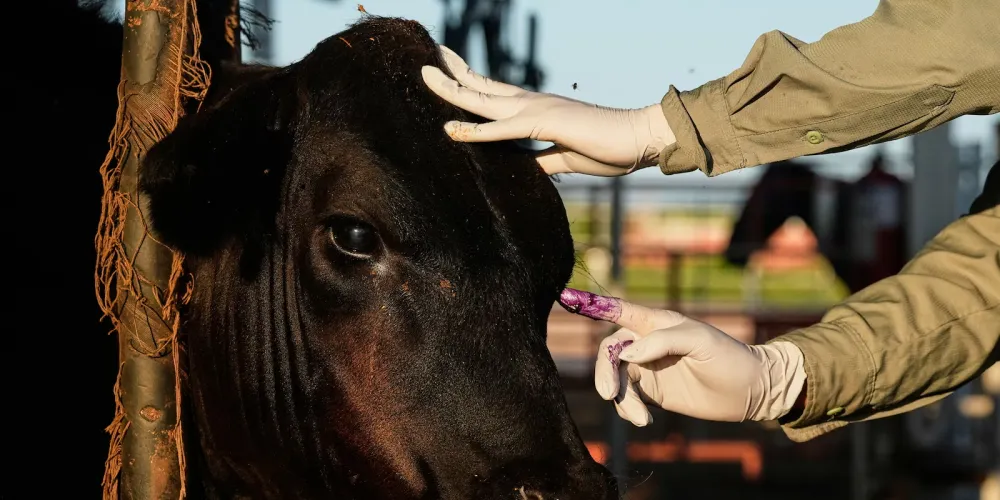
Ranchers in northern Mexico are preparing to resume cattle exports to the United States as a yearlong ban comes to an end. The restrictions were imposed over concerns about the New World screwworm fly, a flesh-eating parasite whose larvae pose a significant threat to all warm-blooded animals. Prior to the ban, the Mexican cattle export business generated approximately $1.2 billion for the country annually.
The ban, in place since May 2025, caused significant economic strain on both sides of the border, exacerbating livestock shortages in the U.S. and forcing Mexican ranchers to sell their cattle on the domestic market at a loss of up to 40%. According to Juan Carlos Anaya, director of Grupo Consultor de Mercados Agrícolas, the supply shortfall contributed to record-high beef prices in the U.S. and forced the closure of several meat-processing plants.
Under the new protocol, shipments will resume on August 24 through the Douglas, Arizona, border crossing. During the first week, only 700 head of cattle per day will be permitted, with limits gradually increasing to 1,300 per day. Veterinarian Arturo Ruiz stated that all animals must be fitted with RFID ear tags and undergo rigorous screening by USDA officials, utilizing electronic readers and specially trained dogs to ensure compliance.
The situation regarding the parasite remains critical, with 1,969 active cases reported across 30 of Mexico's 32 states. Although the number of infections has dropped by more than half compared to last year, authorities acknowledge that total eradication will take time. A recent case was identified in Sonora, which serves as a primary hub for export cattle.
Despite the stringent protocols, Mexican ranchers remain hopeful about the recovery of their business. Juan Carlos Ochoa, president of the Regional Livestock Union of Sonora, has urged authorities to focus on technical and reasonable solutions to avoid unnecessary trade barriers. Meanwhile, local ranchers like Martín Alfonso Ibarra are maintaining cautious optimism as they prepare to resume exports over the coming months.
Not yet comments. Be the first!
Comments · 0