
China Virtually Halts Phosphate Fertilizer Exports, Worsening Global Market Deficit
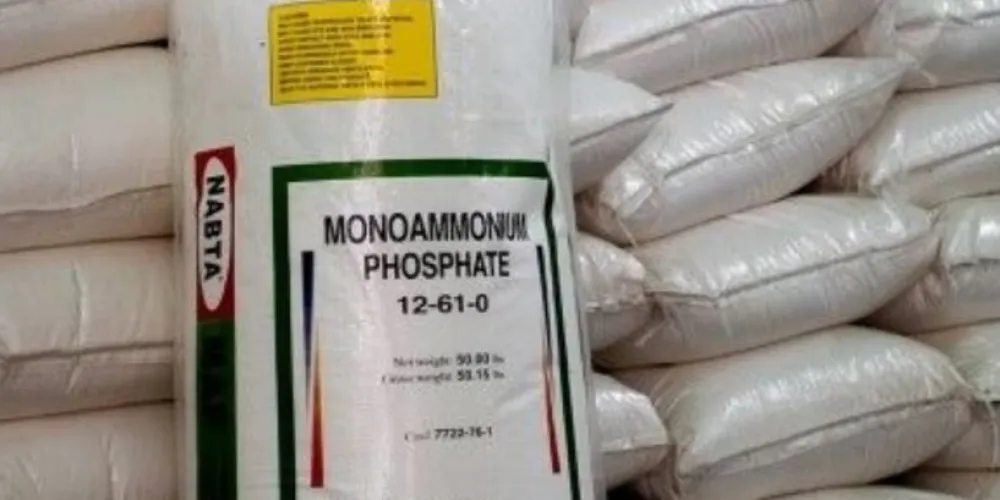
Exports of phosphate fertilizers from China dropped almost to zero in 2026 against the backdrop of sulfur shortages and a policy prioritizing domestic market supply. This has heightened tension on the global fertilizer market, increasing costs for importing nations ahead of key planting seasons, according to CMBNews.
According to Argus industry reports, shipments of Chinese phosphate fertilizers to foreign markets fell to a near-zero level compared to approximately 5.3 million tons in 2025. Chinese authorities tightened control over the exports of major phosphate fertilizer types, including monoammonium phosphate (MAP), diammonium phosphate (DAP), and triple superphosphate (TSP), while also imposing restrictions on the export of sulfuric acid, a key raw material.
Amid sulfur shortages and export controls, available resources are directed primarily to the domestic market. Additional pressure on the industry comes from already high fertilizer prices linked to disruptions in sulfur supplies through the Strait of Hormuz and a decline in the global availability of sulfur and sulfuric acid.
As a result, major importing regions, including Brazil, India, and several Southeast Asian countries, are facing shortages of phosphate fertilizers. For these markets, imports remain critically important for maintaining high-yield production of grain and oilseed crops ahead of major field operations.
The virtual disappearance of Chinese volumes from the global market has deprived buyers of one of the most flexible sources of supply. Market participants note increasing price pressure on the international phosphate market, which has remained one of the least affordable fertilizer categories for agricultural producers for several years.
Not yet comments. Be the first!
Comments