
KRIBHCO to Import 3-4 Lakh Tonnes of Non-Urea Fertilisers for Rabi Season
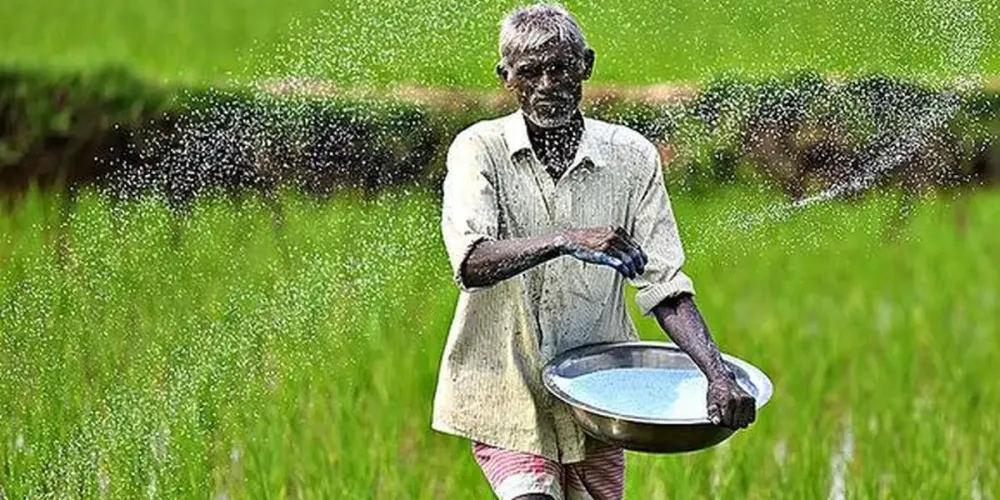
Indian fertiliser cooperative Krishak Bharati Cooperative Limited (KRIBHCO) announced on Friday that it plans to import 3 to 4 lakh tonnes of non-urea fertilisers for the upcoming rabi season starting next month. Speaking on the sidelines of the cooperative's 46th annual general meeting, KRIBHCO Chairman V Sudhakar Chowdary noted that the organisation imports phosphatic nutrients such as Di-Ammonium Phosphate (DAP), which is the second most widely used fertiliser in India after urea.
KRIBHCO Managing Director S S Yadav stated that the cooperative annually imports about 12 to 15 lakh tonnes of non-urea fertilisers out of the nation's total import volume of roughly 70 lakh tonnes. Highlighting the procurement strategy, Yadav explained that the cooperative has already imported 8 lakh tonnes of DAP and 1 lakh tonne of other NPK fertilisers to comfortably cover the kharif season. An additional 3 lakh tonnes will be sourced over the next two to three months to satisfy rabi requirements.
With an existing reserve stock of 6 lakh tonnes, the incoming 3 lakh tonnes of imports will prove sufficient to meet all farming demands during the ensuing rabi season. However, Yadav expressed concern regarding firm international prices driven by the West Asia crisis, with DAP currently valued at approximately $900 per tonne and NPK priced at around $915 per tonne.
Addressing climatic variables, Yadav mentioned the potential dampening effect of the El Nino phenomenon on crop sowing and subsequent fertiliser demand. Although the kharif season suffered from lower crop coverage due to a rainfall deficit, absolute fertiliser consumption remained steady. Alongside conventional inputs, KRIBHCO continues to encourage balanced fertilisation through alternative products, including bio-fertilisers and Farm Organic Manure (FOM) derived from cow dung.
Financially, KRIBHCO reported a robust 16 per cent increase in net profit, reaching approximately ₹630 crore for the 2025-26 financial year. The cooperative currently operates two major urea manufacturing facilities located in Shahjahanpur (Uttar Pradesh) and Surat (Gujarat), boasting a combined annual production capacity of 35 lakh tonnes.
Not yet comments. Be the first!
Comments · 0