
How Autumn and Winter Moisture Reserves Affected the Rapeseed Harvest in Transcarpathia
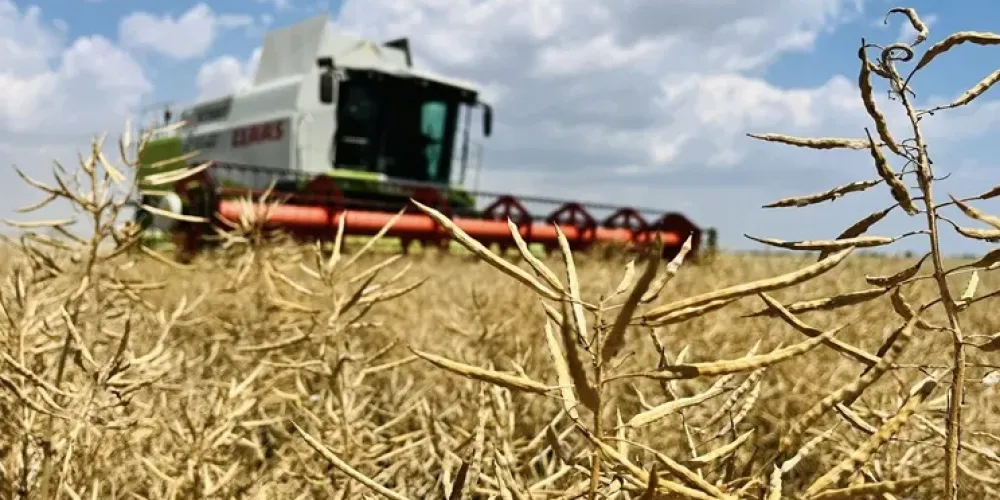
In the western regions of Ukraine, this year became a real challenge for farmers, particularly regarding the cultivation of winter rapeseed. Specialists from Karpaty Agroproduct LLC emphasize that moisture reserves accumulated during the autumn and winter played a key role in crop formation, despite a serious deficit of precipitation during the spring season.
Throughout March, April, and almost all of May, the region experienced a complete lack of productive rains, which significantly complicated conditions for the development of winter crops. According to chief agronomist Vitaliy Bondarenko, plants have the highest demand for water at the very beginning of the growing season, and its shortage could have critically affected the future harvest.
Despite the dry spring conditions, winter rapeseed in Transcarpathia maintained good development indicators. The leading factor was that the soil remained well-moistened since the autumn-winter period. The accumulated moisture provided plants with necessary nourishment during critical phases when atmospheric precipitation was severely lacking.
Minor rains that occurred in early May could no longer significantly alter the situation, but they provided additional support to the crop alongside the soil reserves. The crop was able to utilize internal soil resources, which minimized the negative impact of weather anomalies and stabilized plant growth.
The farm's experience highlights the importance of using agricultural technologies aimed at preserving soil moisture. Amid increasingly frequent spring droughts, this strategy becomes the basis for the stability of agricultural production, enabling farmers to maintain yields and profitability.
Not yet comments. Be the first!
Comments