
Indonesia plans 40,000 mini aquaculture systems with Australia
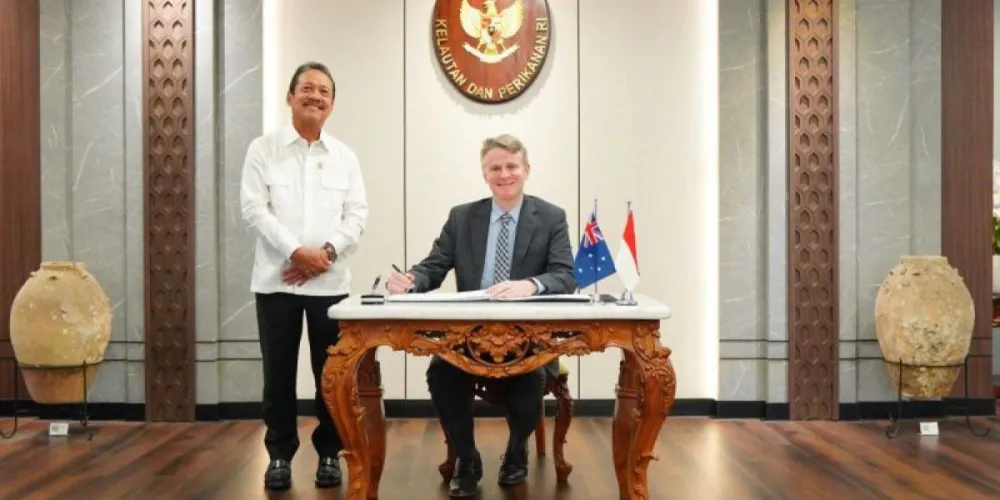
The Indonesian government has unveiled plans to develop 40,000 mini-recirculating aquaculture systems (RAS) in collaboration with Australia. This ambitious initiative is designed to increase productivity in the fisheries sector and bolster food security across hundreds of villages nationwide, providing a scalable solution for rural aquaculture development.
Indonesian Marine Affairs and Fisheries Minister Sakti Wahyu Trenggono announced the plan following a meeting with Australian Ambassador Rod Brazier in Jakarta on September 1, 2026. Minister Trenggono noted that Indonesia is prepared to adopt the technology after observing its successful implementation in Tasmania, where it has significantly improved aquaculture efficiency.
Recirculating Aquaculture Systems work by continuously treating and recycling water, allowing fish farms to operate with minimal water waste while maintaining high production volumes. According to the ministry, this technology is vital for optimizing production efficiency in Indonesia's aquaculture landscape. The initial rollout will focus on tilapia and catfish farming, with plans to later include species such as pangasius, barramundi, grouper, and jade perch.
Minister Trenggono emphasized that the partnership with Australia must go beyond mere financial investment. He highlighted the importance of a holistic approach that includes community empowerment, capacity building for local producers, technology transfer, and the development of a sustainable fisheries ecosystem. These efforts are intended to deliver tangible, long-term economic benefits to local communities throughout Indonesia.
Ambassador Rod Brazier reaffirmed Australia's commitment to sharing its expertise in aquaculture technology. He noted that Australia has prioritized research that boosts productivity while simultaneously reducing environmental impacts. By combining their respective strengths, the two nations aim to protect natural ecosystems and strengthen the food security of the Indo-Pacific region through collaborative innovation.
Not yet comments. Be the first!
Comments · 0