
Govt considers cutting import duties on pulses to cool prices: Report
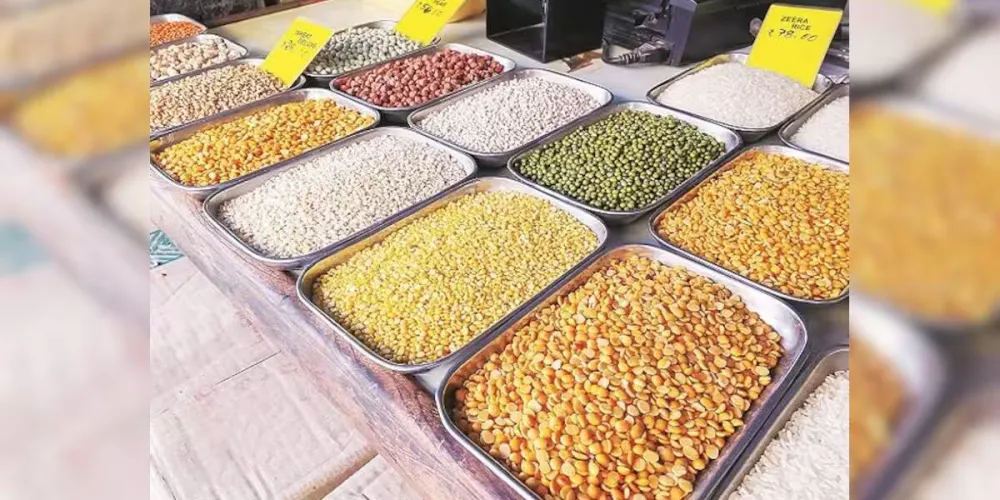
India is actively considering lowering import tariffs on a range of pulse crops to boost market supplies and curb rising food inflation, following a patchy monsoon that raised serious concerns over domestic agricultural output. According to two government sources and one prominent industry insider, any potential duty reduction could be strictly limited to lentils and yellow peas, while chickpeas would be deliberately excluded from the tariff cuts to protect local growers.
New Delhi currently imposes a 10% import tax on red lentils and chickpeas, alongside a 30% levy on yellow peas. Meanwhile, the country has already permitted duty-free imports of pigeon peas and black gram until the end of the current fiscal year in March 2027. An official government spokesperson did not immediately respond to a request for comment from Reuters regarding the prospective policy adjustments.
As the world's largest producer, consumer, and importer of pulses, India increasingly relies on global trade to bridge the persistent gap between domestic production and consumption demands. Imports accounted for approximately 23% of total consumption during the 2024-25 fiscal year, a period when the nation produced 25.7 million tons and imported 7.3 million tons. Major international suppliers include Australia, Canada, Russia, Myanmar, and a clutch of African countries.
Pulses are primarily cultivated in rain-fed agricultural areas, and overall output is anticipated to drop sharply this year because top-producing states received up to 30% less rainfall than normal during the June-September monsoon season. Farmers are expected to commence planting chickpeas from October, and the government could encourage a larger planting area by retaining existing import duties on the commodity.
Food inflation in India has been on an upward trajectory since December, standing at 5.95% in August. Prices for pulses remain persistently elevated, with pigeon pea inflation recorded at 5.6% and black gram inflation reaching 7.4% year-on-year. Consumer demand for pulses typically surges during India's festive season, particularly for chickpeas, as households, millers, and food processors rush to build inventories ahead of upcoming celebrations.
Not yet comments. Be the first!
Comments · 0