
Removing a tree stump: the natural method almost no one knows
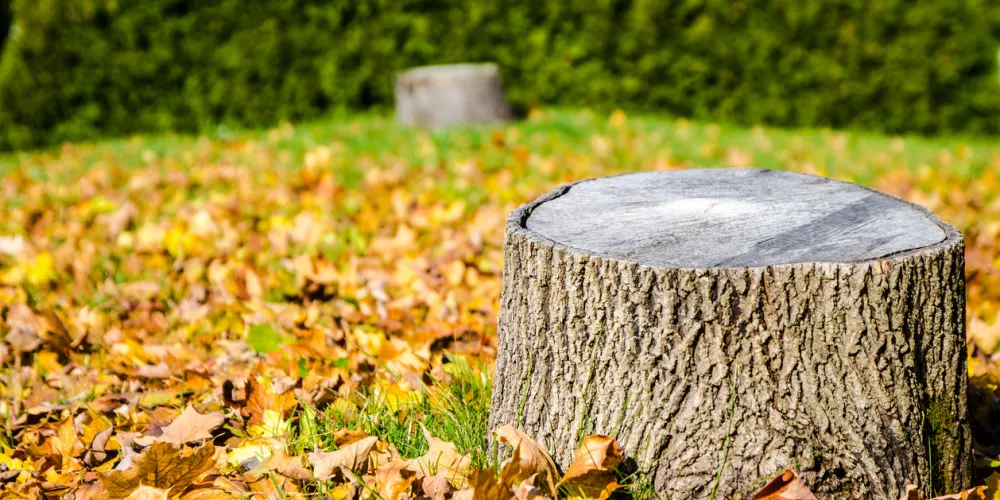
Every gardener with an old tree stump faces the same frustrating choice. You can dig it out by hand and spend an entire weekend fighting stubborn roots, rent an expensive stump grinder, or reach for a harsh chemical stump remover. However, there is a fourth option that gardeners in Germany have been sharing widely. It is the slowest of all options, but it is also the easiest, the cheapest, and the gentlest on the rest of the garden: letting nature eat the stump for you by simply speeding up the process.
Wood decomposes slowly on its own because it is dense, dry on the inside, and low in nitrogen, which is required by the microorganisms that digest it. The natural method fixes all three of these problems at once by opening up the wood, feeding it nitrogen, and keeping it consistently moist.
The step-by-step process begins by cutting the stump as low to the ground as safely possible. Next, you drill holes into the top of the stump, about an inch wide and several inches deep, placed a few inches apart, along with additional angled holes in the sides. These holes are then filled with a nitrogen-rich material, such as a compost accelerator, an organic high-nitrogen fertilizer, well-rotted manure, or compost, before being watered thoroughly.
After watering, the stump is covered with soil, mulch, or a tarp to keep it damp and dark—the ideal environment for wood-rotting fungi. Autumn is an excellent time to start this method, as the stump spends the damp months of fall and early winter soaking up moisture, ensuring decomposition is well underway by spring.
The primary drawback of this natural method is time, taking anywhere from several months to a few years depending on the wood size and type. While a stump that must be removed immediately for construction requires a grinder, if you have patience and no urgent need for the space, this shovel-free approach turns an old stump into rich humus.
Not yet comments. Be the first!
Comments · 0