
How to Grow Brussels Sprouts at Home: A Comprehensive Guide
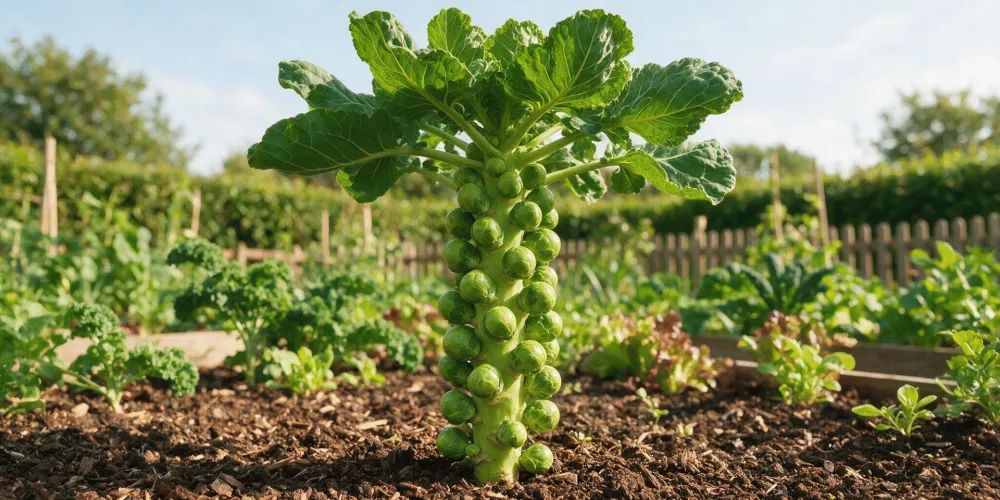
Brussels sprouts grow on a tall, robust central stalk, with small, firm buds—resembling tiny cabbages—forming in the axils of the leaves. These sprouts typically mature from the bottom of the stalk upward, meaning the lower ones are ready for harvest while the top ones continue to develop. Although the plant is often affectionately referred to as a 'Brussels sprout tree' due to its impressive height, it is not actually a tree but a cool-season vegetable that requires specific environmental conditions to thrive.
Success starts with timing. Since most varieties require between 90 and 120 days to reach maturity, gardeners should calculate their planting date based on their local first-frost date. By counting backward from that frost date, you can ensure your crop is timed perfectly for a fall harvest. Deciding between starting from seeds or using nursery transplants is also a key factor; transplants offer a faster route to establishment, while starting from seeds provides more control over the earliest growth stages.
Choosing a planting location is the next vital step. Brussels sprouts need at least 6 hours of direct sunlight every day and require well-drained soil to prevent root issues. Ideally, the soil pH should be maintained between 6.0 and 7.0. Before planting, it is highly recommended to work in some well-rotted compost to improve soil fertility and ensure the ground is loose enough for healthy root penetration. A soil test can help determine if any additional fertilizer is necessary to support the long growing season.
Proper spacing is essential to prevent overcrowding and ensure good airflow, which is critical for plant health. Aim for about 18–24 inches between plants, depending on the specific variety. Providing this space not only helps the plants reach their full potential but also makes routine garden maintenance—such as weeding, monitoring for pests, and harvesting—significantly easier. If you are hardening off seedlings grown indoors, do so gradually to help them adjust to outdoor conditions before transplanting.
Finally, the actual planting and consistent care determine the final outcome. Once the seedlings are in the ground, ensure they receive regular water and attention throughout the season. By selecting the right site, preparing the soil with care, and giving each plant sufficient room to spread, you can successfully produce a bounty of home-grown Brussels sprouts. Consistent monitoring will ensure you catch the sprouts at their peak firmness as they mature from bottom to top.
Not yet comments. Be the first!
Comments · 0