
UK tenant farmer helps create England's largest temperate rainforest nature reserve
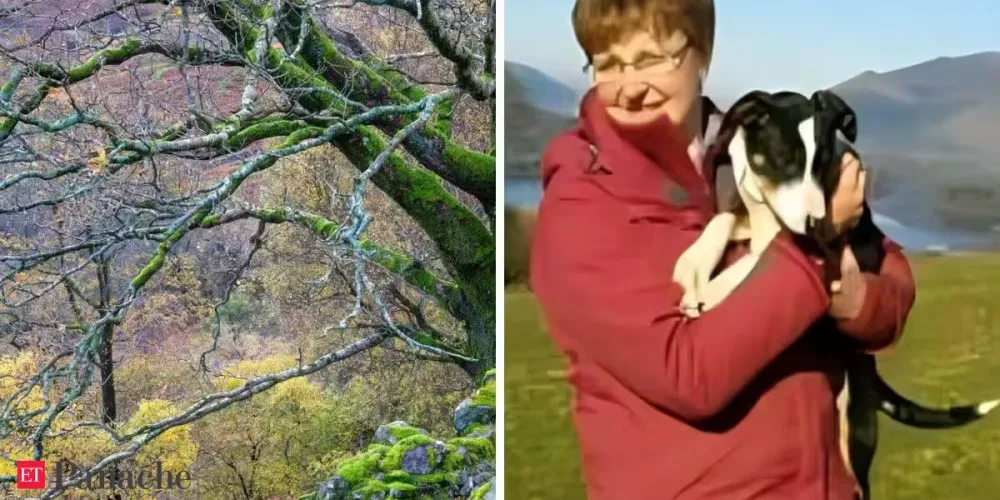
In the valley of Borrowdale, Cumbria, a major new national nature reserve has been officially designated, marking the creation of England's largest protected temperate rainforest. This region, characterized by extreme humidity and a globally rare microclimate, is now under formal protection. The achievement is the result of a long-term partnership between the National Trust and local tenant farmers, who have successfully balanced traditional hill farming with habitat restoration efforts.
At the center of this milestone is Anne Cornthwaite, who manages the 750-acre Ashness Farm. Over the past decade, she has implemented sustainable land management practices, transforming her property into a model of ecological stewardship. Her shift toward sustainable agriculture, including the planting of nearly a kilometer of hedgerows and the adoption of green energy solutions, was instrumental in securing the status of her land within this new nature reserve.
Ashness Farm utilizes traditional livestock breeds, including Herdwick sheep and Belted Galloway cattle, to maintain the landscape. These resilient cattle act as natural managers, grazing through woodland areas and suppressing invasive bracken, which allows native rainforest flora to thrive. This symbiotic relationship between agriculture and ecology proves that working lands can effectively protect ancient oaks, birches, and delicate lichen populations.
In 2014, the farm transitioned to renewable heat via a woodchip biomass system, further cementing its commitment to sustainability. Cornthwaite noted that the modest environmental changes implemented a decade ago were the catalyst for her land at Moss Mire becoming a cornerstone of this protected area. Visitors can now see these efforts firsthand by accessing a dedicated conservation footpath that runs through the farm.
The new reserve is a sanctuary for biodiversity, providing vital habitats for red squirrels, tree pipits, and pied flycatchers. By safeguarding these high-altitude woodlands, conservationists are not only protecting rare wildlife but also maintaining essential carbon sinks. This collaborative success story highlights the potential for farmers to serve as primary custodians of England’s precious environmental heritage.
Not yet comments. Be the first!
Comments · 0