
Clitoria yellow vein virus
Tymovirus clitoriae
The causative agent of this disease is the Clitoria yellow vein virus (ClYVV), a member of the genus Tymovirus. This virus is characterized by a positive-sense single-stranded RNA genome protected by an icosahedral capsid.
What the section contains
Clitoria yellow vein virus
The virus primarily targets species within the Fabaceae family, with Clitoria ternatea being the most common host. It acts as a systemic pathogen, moving through the phloem to invade various organs and tissues.
Transmission occurs primarily through biological vectors, specifically leaf-feeding beetles. These insects acquire the virus during feeding and transmit it to healthy plants during subsequent feeding sessions.
Mechanical transmission is also a significant route for the spread of the virus. It occurs when infected sap comes into contact with the wounds of healthy plants, often during routine agricultural handling.
The virus is known for its ability to persist in perennial hosts and wild relatives, creating a continuous reservoir of infection that can initiate outbreaks in adjacent cultivated fields.
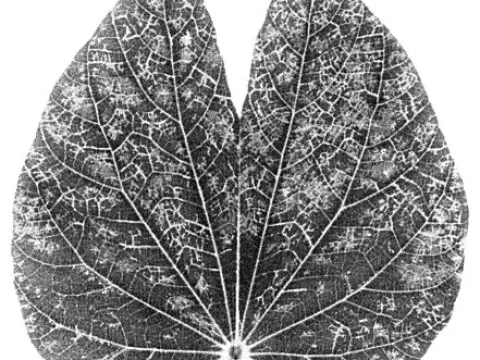
The hallmark symptom of this infection is the conspicuous chlorosis of leaf veins, which often progresses into a yellow-green mosaic pattern across the leaf blade.
Infected plants frequently exhibit stunted growth and an overall reduction in vigor, as the virus disrupts the chlorophyll production process within the leaf tissues.
Deformation and curling of the leaves are common structural symptoms. These changes often make the plants aesthetically unappealing, which is a major concern for ornamental cultivation.
Reproductive success is severely hampered, with observed symptoms including flower bud abortion and a significant decrease in the number of pods produced by the plant.
In advanced stages, the plants may show a shortened internode phenotype, leading to a bushy appearance that hinders the normal upward growth of the plant.
The incidence of ClYVV is highly dependent on the activity of beetle vectors. Warm, humid climates that support high insect populations create ideal conditions for rapid spread.
Seasonal patterns play a role, as the emergence of vectors often aligns with the vegetative growth period of the host crop, maximizing the opportunity for viral transmission.
Nearby weed populations serve as a critical environmental factor. If wild legumes are present in or around the planting site, they act as primary sources of the virus throughout the year.
Poor sanitation practices, such as the failure to sanitize pruning equipment between plants, provide a direct pathway for the virus to move through the crop regardless of insect activity.
Furthermore, stress factors like excessive heat or poor nutrient management can weaken the plant, potentially making it more susceptible to higher viral loads and more severe symptom expression.
The economic impact of the virus is significant, primarily due to the loss of marketable yield in ornamental and medicinal plant production.
Seeds harvested from infected plants often exhibit poor viability or may carry the virus, leading to the propagation of diseased crops and compounding losses in subsequent seasons.
Viral infection leaves the plants immunocompromised, making them highly susceptible to secondary bacterial and fungal infections that lead to premature senescence and death.
For growers of Clitoria ternatea, the reduction in biomass and floral output directly translates to a decrease in profit, as both flowers and leaves are key products.
Once established in a field, the disease is notoriously difficult to eradicate, often necessitating the complete removal of all symptomatic and suspected plants to protect the rest of the crop.
Management must focus on proactive measures, starting with the use of certified, virus-free seeds and planting material to ensure a healthy start for the crop.
Integrated pest management (IPM) is essential to control the population of insect vectors. Regular scouting and timely insecticide application are recommended to minimize vector pressure.
Spatial isolation of the crop from known sources of infection, including wild weed reservoirs, is a fundamental practice in preventing the initial introduction of the virus.
- Regular weeding to remove alternative host plants for the virus.
- Strict sanitation protocols for all agricultural tools using 70% alcohol.
- Rogueing of symptomatic plants to reduce the local inoculum source.
- Implementing diverse crop rotation cycles to break the viral host cycle.
Maintaining optimal plant health through balanced fertilization and proper moisture management helps the plants tolerate minor infections and reduces the overall attractiveness of the crop to vectors.